Connection Is the Infrastructure Civilization Cannot Live Without
How knowledge, experience, and trust move across generations
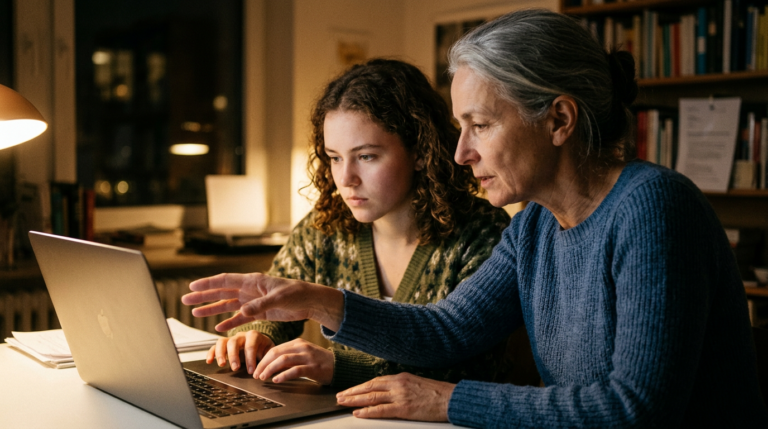
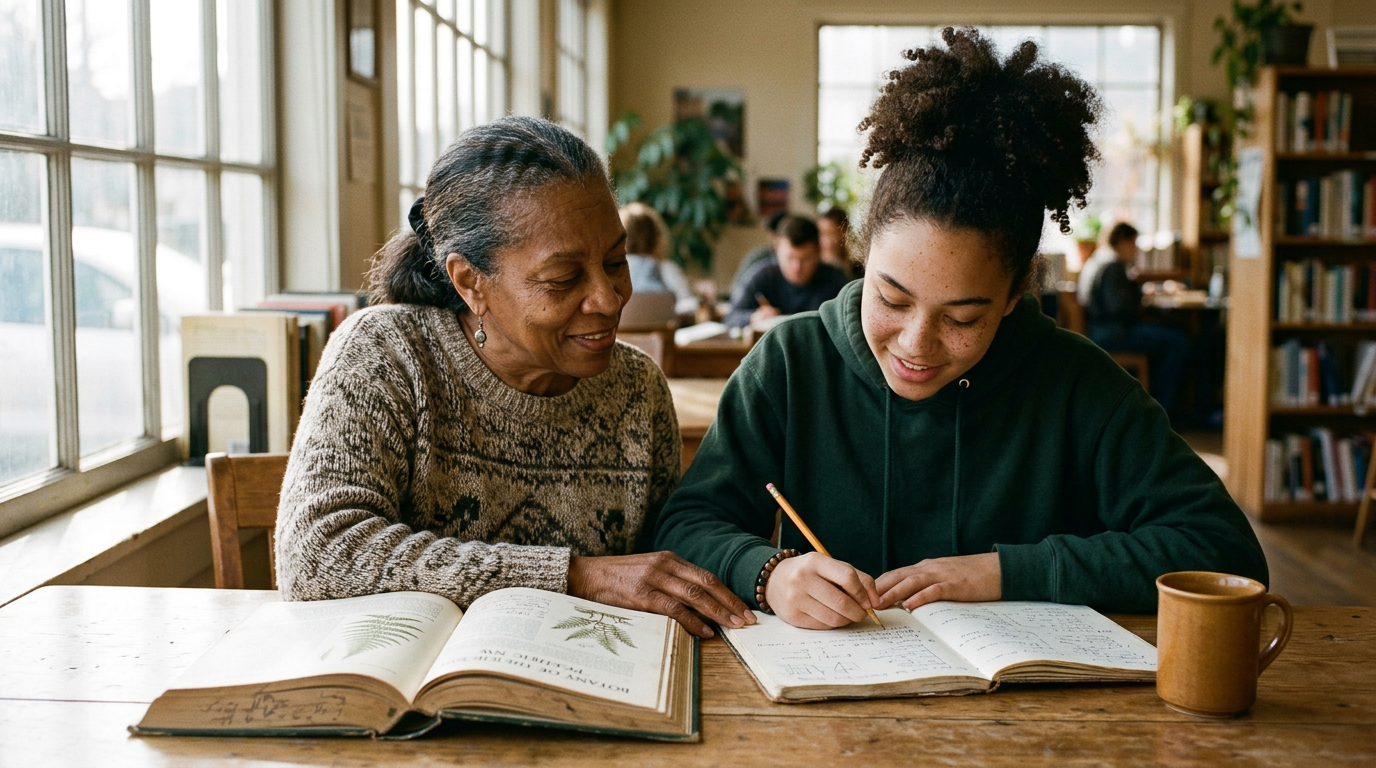
On a Tuesday afternoon in a public library outside Toronto, a retired engineer sits beside a ninth-grade student and draws a bridge on the back of a worksheet. The student has been learning linear equations for weeks, but the work has felt abstract. The engineer does not begin with formulas. He begins with a story: the first time a design looked correct on paper but failed under real conditions because the team had underestimated stress, weather, and human use.
Ten minutes later, the equation on the page is no longer just an answer to a school problem. It has become part of a bridge, a safety decision, and a profession. The student has not simply learned more mathematics. He has learned that knowledge becomes meaningful when someone shows where it lives in the world.
Every society invests in infrastructure. Governments build roads, ports, broadband networks, universities, and hospitals because movement matters. People, goods, information, and services need systems that allow them to travel. Yet one of the most important forms of infrastructure rarely appears in a budget line: the human network through which knowledge, judgment, and experience move from one generation to the next.
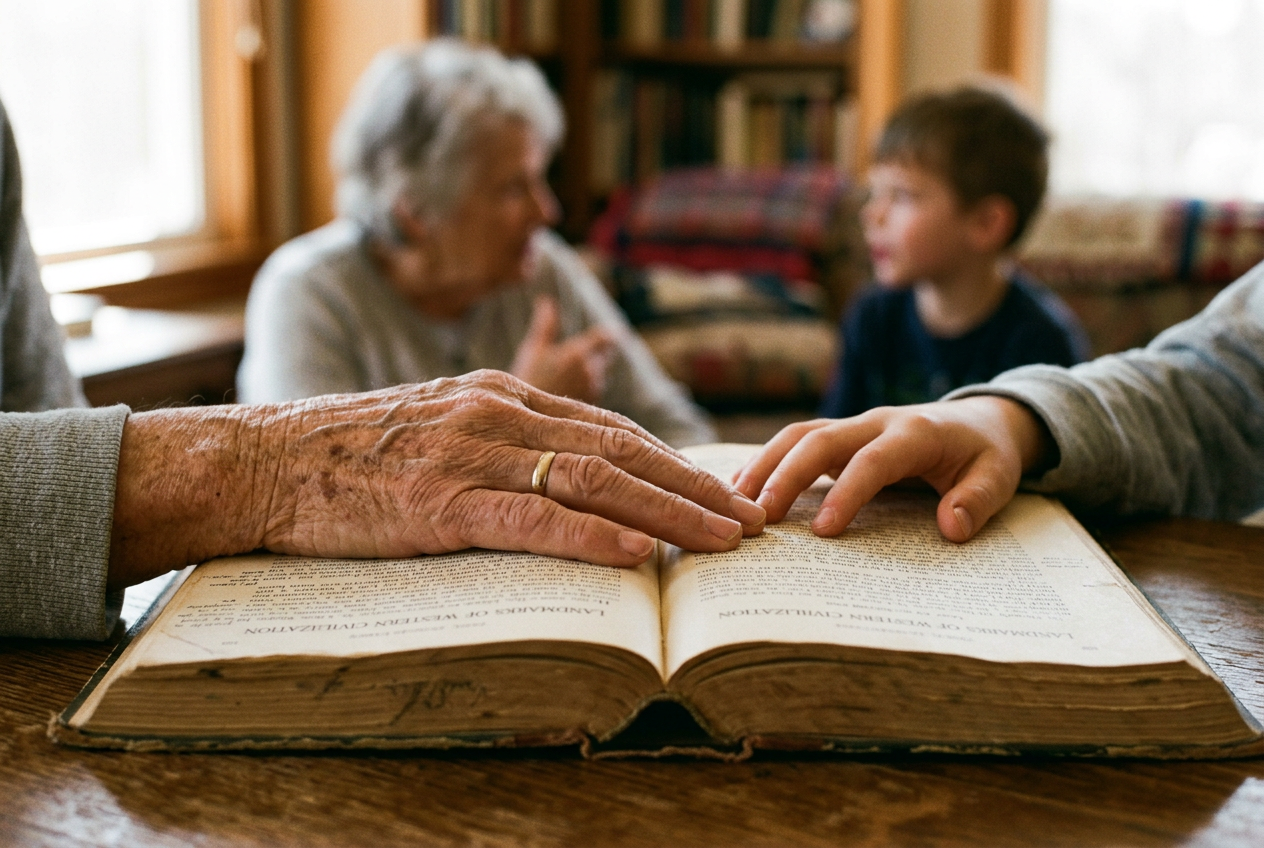
Civilization does not advance because each generation starts from zero and discovers everything again. It advances because one generation inherits what others have learned, tests that inheritance against new realities, and passes it forward. Isaac Newton did not build modern science alone. His work rested on Copernicus, Kepler, Galileo, and the long mathematical traditions that came before him. Einstein later changed physics by extending questions that Newton helped make possible. Modern aerospace, satellite systems, medical imaging, and space exploration all stand on layers of knowledge that no single person could have produced in isolation.
That is why the familiar phrase about standing on the shoulders of giants is more than a statement of humility. It is a theory of progress. A society becomes stronger when knowledge does not remain trapped inside one school, one profession, one family, one company, or one generation. It becomes stronger when knowledge circulates.
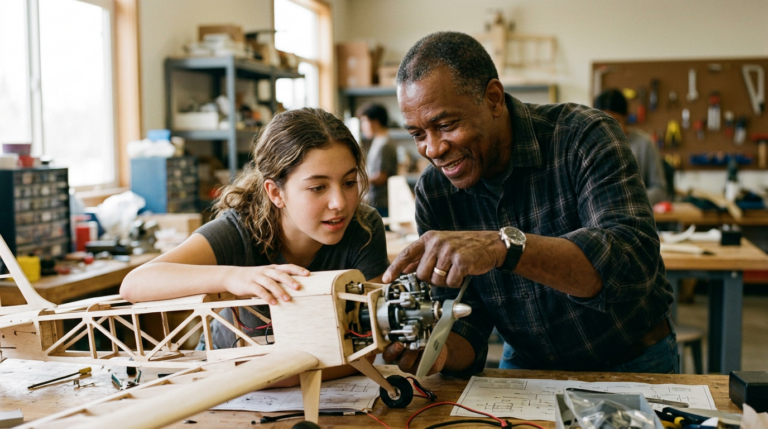
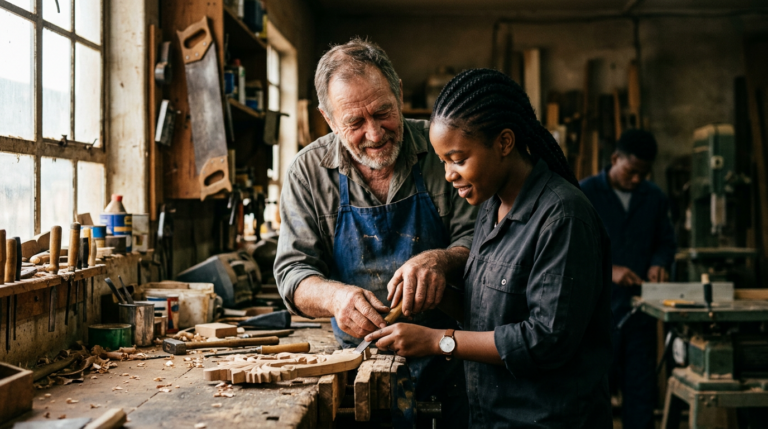
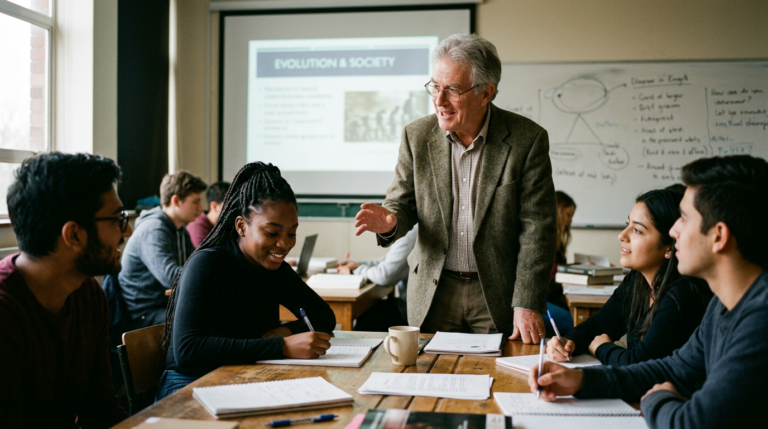
For most of human history, that circulation happened through people. Socrates taught by questioning young Athenians in public. Benjamin Franklin helped build civic institutions, including libraries and learning societies, because he understood that knowledge needed public channels. Skilled trades have always depended on apprenticeship, where a younger person learns not only what to do, but what to notice. University laboratories still train young researchers through mentorship, criticism, and exposure to real problems.
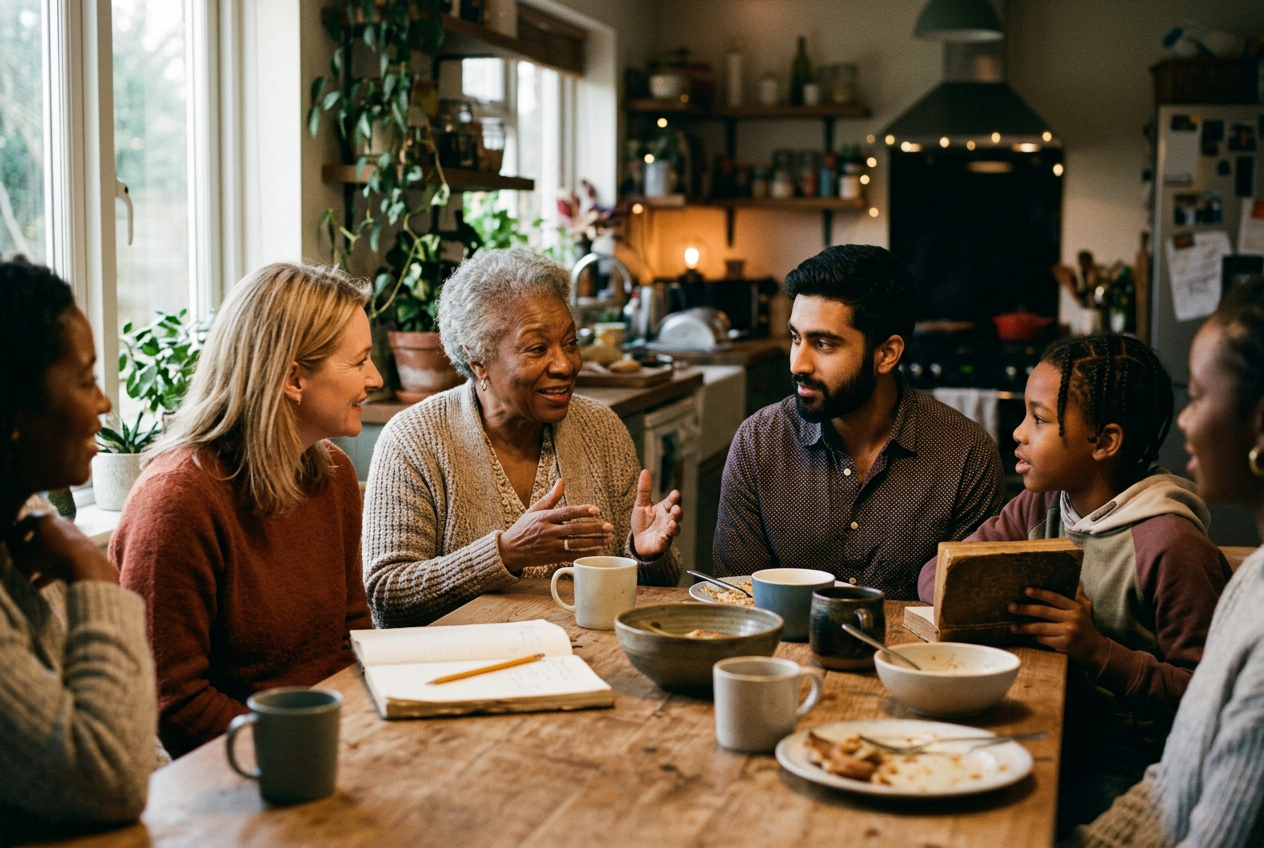
Technology has changed the scale of learning, but it has not removed the human requirement. A student can now search a topic, watch an online lecture, or ask an artificial intelligence system for an explanation. These tools are powerful. They can expand access and reduce barriers. But a search result does not automatically become judgment. A generated answer does not automatically become direction. Information does not automatically become wisdom.
This distinction matters across North America. Canada and the United States are both trying to respond to aging populations, uneven access to opportunity, changing labor markets, and the need for lifelong learning. Canadian policy discussions on age-friendly workplaces recognize that older workers bring experience, institutional knowledge, productivity, and diversity. U.S. age-discrimination law reflects the principle that older workers should be judged by ability rather than age. Adult education and workforce programs on both sides of the border acknowledge that learning cannot end at graduation.
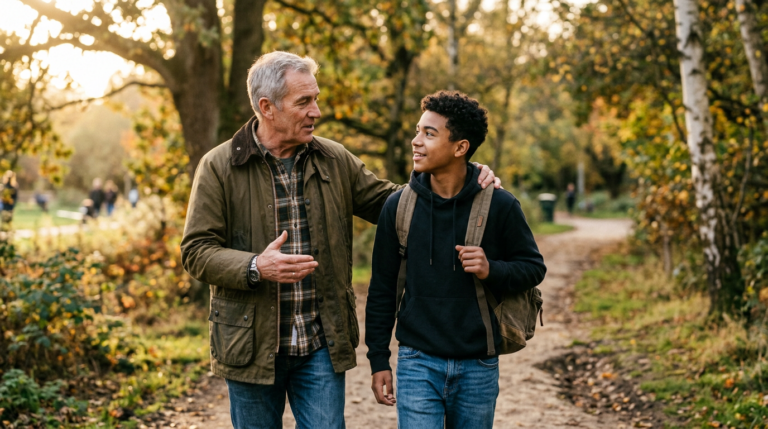
These policy directions point to a larger idea: experience should not be treated as a private asset that disappears when someone retires, changes jobs, or leaves a formal institution. Experience is public capacity. When a retired teacher helps a student learn to read, a community is using capacity. When a nurse mentors a student interested in healthcare, a community is using capacity. When a parent returning to work receives guidance from someone who has already navigated that transition, a community is using capacity.
The same idea applies to education equity. Schools can provide curriculum, exams, and credentials, but many students also need exposure to adults who can show them how knowledge becomes work, service, and responsibility. Children from well-connected families often receive this exposure informally. They meet engineers, doctors, entrepreneurs, professors, designers, and public servants through family networks. Other children may be equally capable and equally hardworking, but their worlds are smaller because their networks are smaller.
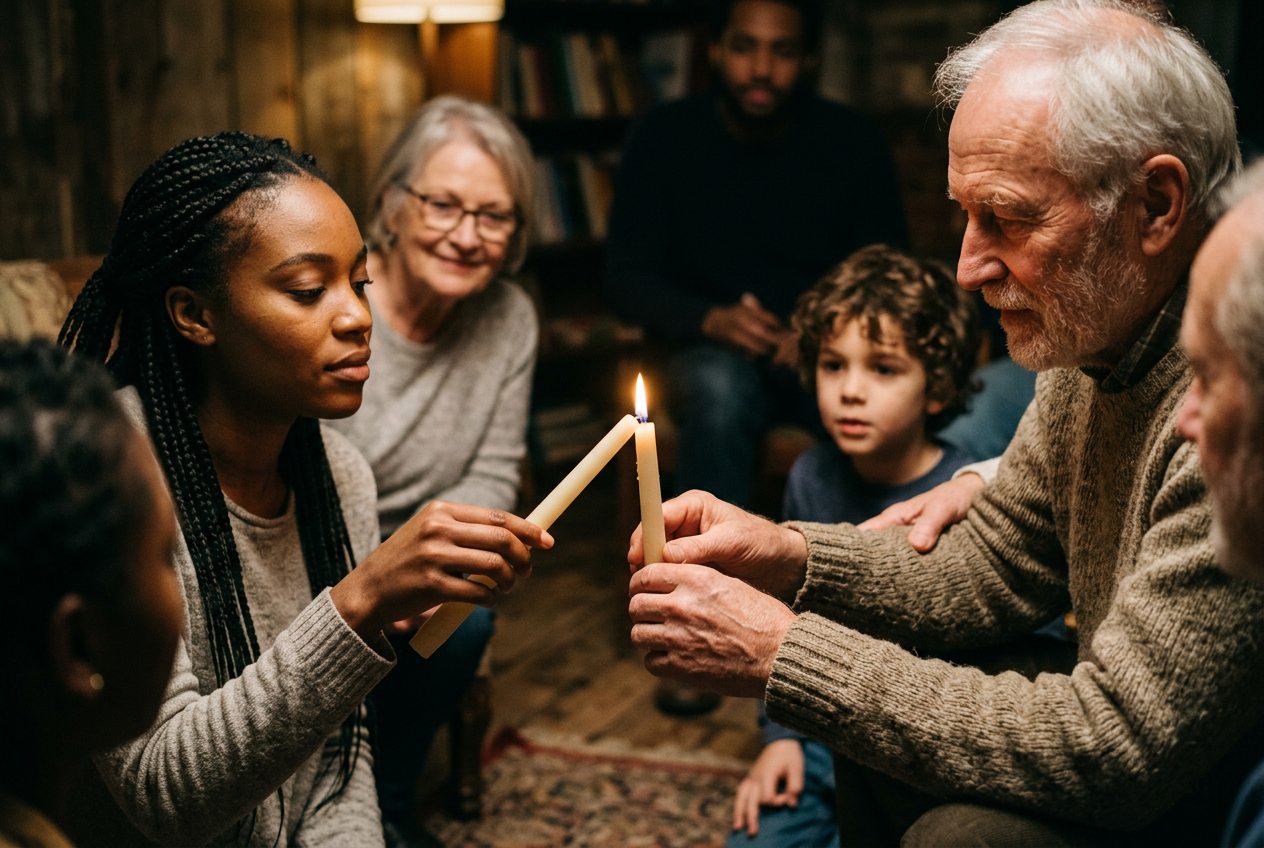
Education equity therefore cannot mean only equal access to worksheets or online videos. It must also mean access to social capital: people who can explain professions, model confidence, describe mistakes, and help young people imagine a future beyond the boundaries of their immediate environment.
This is where connection becomes a practical policy issue rather than a sentimental idea. When older adults can mentor students, when working professionals can advise young people, when families can find trusted educators, and when adult learners can meet people who have already changed careers, society reduces wasted potential. It allows experience to keep producing value.
The future economy will be shaped by artificial intelligence, automation, and new industries. But it will also be shaped by whether communities can build better bridges between people who know and people who need to learn; between older adults who still want to contribute and young people who need guidance; between families seeking opportunity and professionals willing to share what they have learned.
Civilization is often described through monuments, inventions, and institutions. Its deeper continuity depends on ordinary acts of transmission: a teacher explaining a concept, a mentor asking a better question, a parent encouraging persistence, an older professional helping a younger person avoid an avoidable mistake. These moments do not always appear in economic data, but they are part of the social infrastructure that allows a community to renew itself.
A modern society should not ask only how fast information can move. It should ask whether knowledge is reaching the people who need it, whether experience is being recognized, and whether different generations still have meaningful ways to learn from one another. In that sense, connection is not a soft value. It is one of the ways civilization carries itself forward.
This is only the beginning.