The Hidden Labor Market: When Talent and Opportunity Fail to Find Each Other
Reemployment, side careers, and flexible work are part of a larger question: how societies use the abilities they already have.
A small tutoring company needs someone who can help a teenager understand calculus, but the best person for the job may not be actively looking for a traditional teaching position. She may be a retired math teacher who wants to work only two afternoons a week. A start-up needs technical judgment, but the right adviser may be a former engineer who does not want another full-time role. A parent wants help understanding a child’s education path, but the person who can explain it best may be a former school counselor, a graduate student, or a working professional with the right experience.
Across North America, this kind of mismatch appears every day. People look for work that fits their skills, schedules, and responsibilities. At the same time, families, schools, start-ups, nonprofits, and small businesses look for trusted people who can solve real problems. The two sides often exist in the same community but never meet.
This is one of the least visible failures of the modern labor market. Governments can measure unemployment rates, job openings, and wages. Employers can count applications. Platforms can count clicks. It is much harder to measure unused ability: the retired engineer who still has judgment, the mother returning from caregiving whose skills are underestimated, the teacher who no longer works full time but can still change a student’s academic life, or the programmer whose real product experience is ignored because he does not have an elite credential.

One story makes the problem concrete. A software developer begins his career without a famous university on his resume. He accepts small projects because he needs experience more than prestige. He learns after work, studies documentation at night, and solves problems that no one else has time to explain. Over years, he becomes the person who can move a project from idea to system. Then the market turns. His company reorganizes. His job title disappears.
The labor market may treat him as newly unemployed. But the skills he built did not disappear with the role. He still understands systems, deadlines, users, failure, and execution. If there is no channel to redeploy that judgment, the loss is not only personal. It is economic.
A similar problem affects parents returning to work. Employers often speak of a resume gap as if nothing productive happened during those years. In reality, caregiving can require planning, budgeting, negotiation, crisis management, emotional intelligence, and endurance. These skills may not be packaged in conventional corporate language, but they are part of what a person brings back to work.
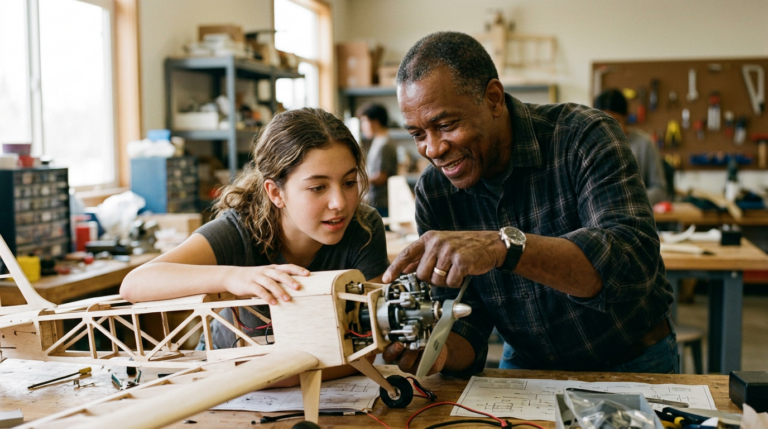
Older adults face another version of the same problem. Many retirees do not want a rigid full-time job, but they may welcome flexible work: mentoring, consulting, teaching part time, advising a project, helping a small organization, or supporting young people. Canadian age-friendly workplace guidance recognizes the value older workers bring through experience, institutional knowledge, productivity, and diversity. U.S. employment law rejects arbitrary age discrimination and supports the principle that older workers should be evaluated by ability rather than age.

The policy direction is clear. Older adults should not be treated as a category that simply exits public life. The challenge is turning that principle into everyday systems.
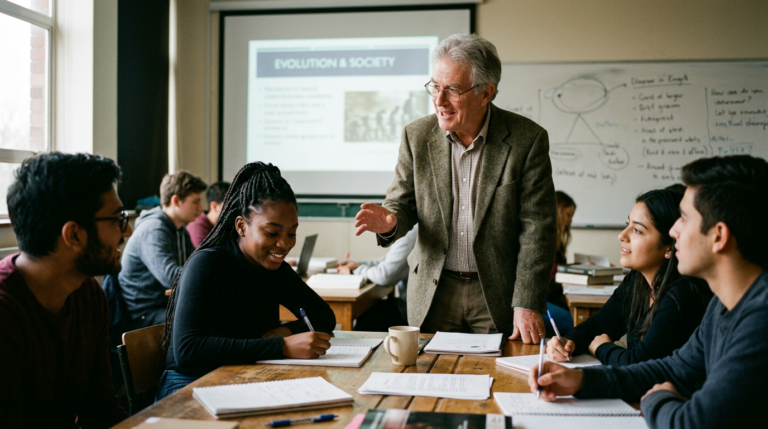
Demand for trusted human expertise is rising. Parents feel overwhelmed by education choices. Students need guidance on careers they do not understand. Small organizations need professional support but cannot always hire full-time staff. Community groups need mentors who can help young people see options beyond their family networks. Start-ups need people who have already learned how plans fail in practice.
Yet the labor market has not fully adapted. Many digital platforms efficiently match consumers with products, drivers, meals, or rooms. Far fewer systems match experience with need in a way that is trustworthy, educational, and community-oriented. The result is a strange contradiction. People say they cannot find work. Families and organizations say they cannot find the right person.
The missing piece is not always training. Training matters when people need new skills. But many people already have valuable skills. They need visibility, flexible structures, and credible ways to be trusted. A retired professional may not want to apply for entry-level jobs. A returning parent may need project-based work. A young graduate may need mentorship before employment. A student may need exposure to professionals before choosing a major.

Reemployment and side careers should therefore be understood as part of a broader talent-utilization strategy. The future economy will not be served only by producing more graduates or expanding credentials. It will also depend on whether societies can identify, recognize, and reconnect the abilities already present in communities.
This approach fits a North American culture that has long valued reinvention. People change careers, return to school, start businesses later in life, volunteer after retirement, and build second acts after setbacks. But opportunity should not depend only on luck, private networks, or the ability to market oneself online. Communities need safer and more organized ways to help people become useful again.
When talent remains invisible, society wastes more than labor. It wastes judgment, care, discipline, and lived experience. When people who need help cannot find people who can help, communities lose opportunities for learning and economic participation.
A better system would allow experience to move more easily: from retirees to students, from professionals to families, from returning workers to employers, from mentors to young people searching for direction. The next stage of workforce innovation should focus not only on creating jobs, but also on creating better pathways for people to contribute.
Many people do not need to be rescued. They need to be seen.
This is only the beginning.