The Mentor Who Is Not in the Textbook
Why trusted adults can change the trajectory of a young person’s life
Fred Rogers became one of the most trusted figures in American public life by doing something that looked simple and has become increasingly rare: he spoke to children as if their inner lives mattered. He did not treat children as test scores, future workers, or small adults. He treated them as people trying to understand fear, kindness, anger, patience, and belonging.
His cultural legacy points to a larger truth. Young people need more than instruction. They need adults who can help them interpret life.
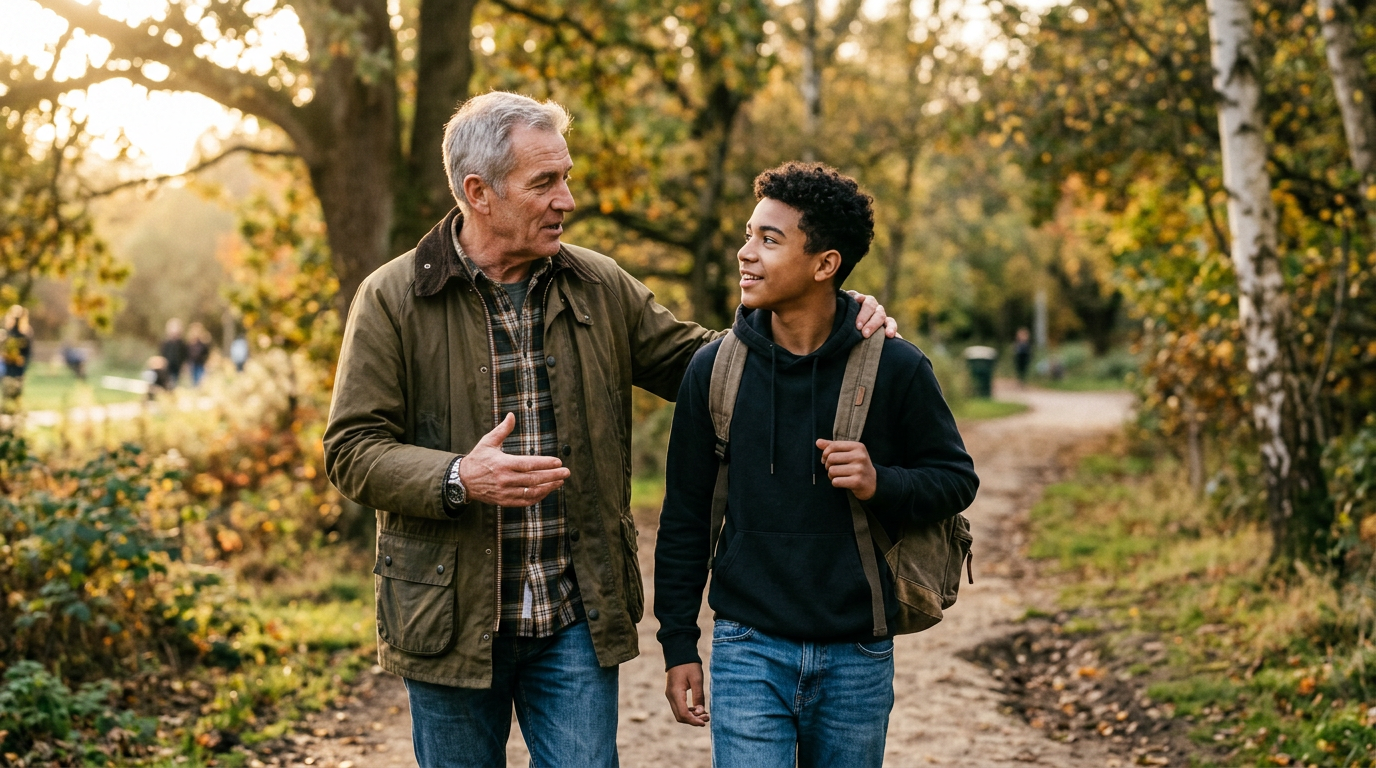
Most adults can remember someone who changed the way they understood themselves. The person may not have been a parent, teacher, or employer. It may have been a neighbor, coach, family friend, mentor, older volunteer, or relative who appeared at the right time. The relationship may not have followed a curriculum, and it may not have produced an immediate measurable result. Yet it may have changed the young person’s sense of what was possible.
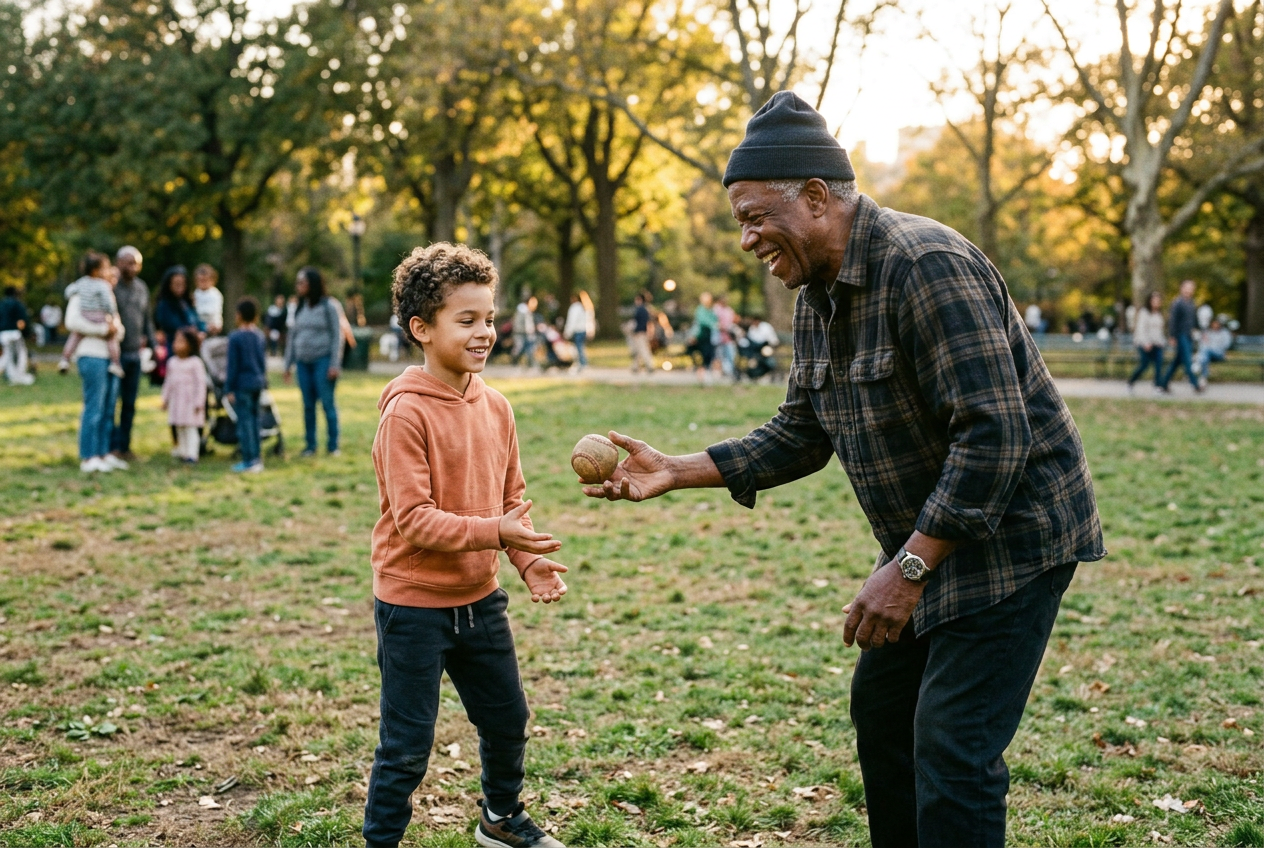
A teenager who is unsure of himself may not need a lecture about success. He may need an adult who listens carefully enough to notice what he cannot yet say. A student who fails a class may not need someone to define failure. She may need someone who can explain that a setback is an event, not an identity. A child from a family with limited professional networks may not need another worksheet as much as a conversation with someone who can describe a larger world.
North American education and youth-development policy has many names for this need: mentorship, social capital, after-school learning, community schools, career exposure, youth well-being. The language changes, but the underlying point remains the same. Young people need relationships that help them interpret challenges, imagine futures, and build confidence.
A classroom can teach algebra, history, writing, or science. A mentor can help a student understand why persistence matters when the first attempt fails. A teacher can assign a project. A professional mentor can explain how similar projects appear in real workplaces. A parent can encourage effort. Another trusted adult can help a child see possibilities outside the family’s immediate experience.
This matters deeply for education equity. Students from affluent or highly connected families often meet professionals naturally. They may know doctors, engineers, professors, lawyers, entrepreneurs, or researchers through their parents’ networks. They may hear career stories at dinner tables, community events, or family gatherings. These informal conversations help them imagine professional futures before they have to choose them.
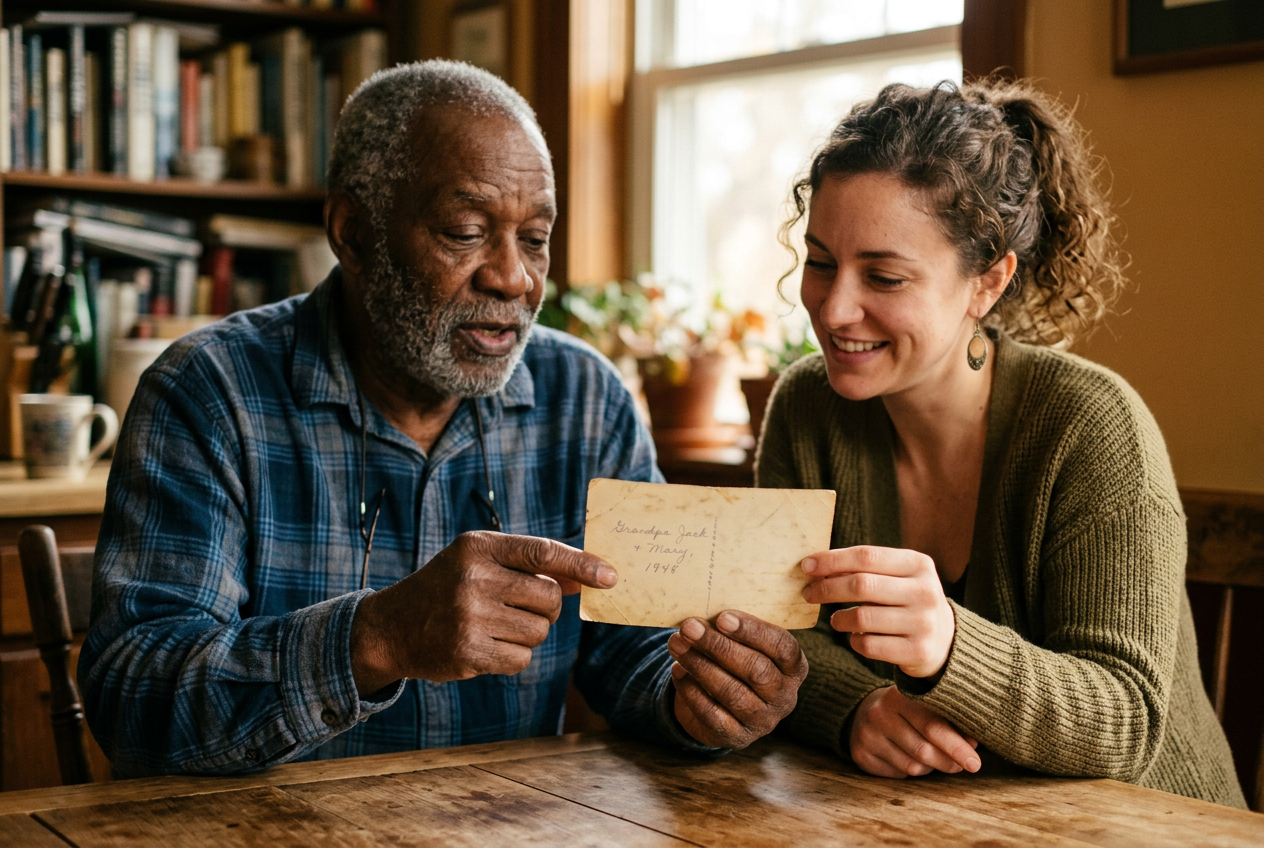
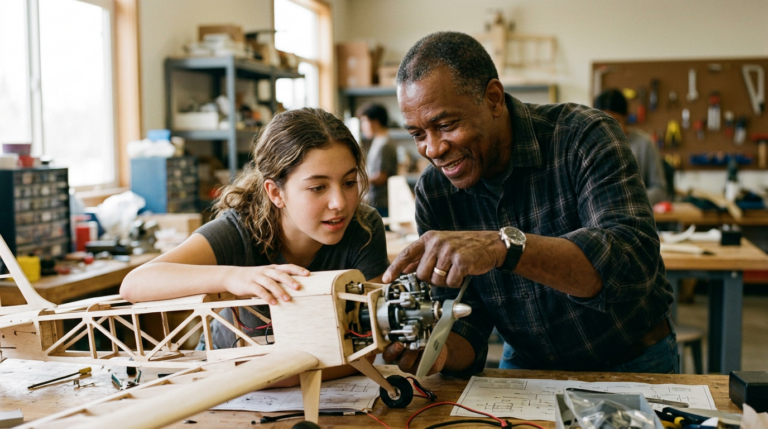
Students from less connected families may be equally capable but have fewer chances to meet people who can broaden their view of the future. The gap is not only academic. It is relational. A student may know that engineering exists without understanding what engineers do. A young person may want a better life without knowing which paths are realistic. A child may be talented in mathematics without seeing how mathematics connects to aviation, software, finance, medicine, or energy.
A mentor does not replace school. A mentor helps school make sense.
Older adults are one of the most important and underused sources of mentorship. Many retired professionals have time, patience, and perspective. They have seen careers develop, industries change, mistakes repeat, and young people grow. They may not want full-time employment, but they may be willing to guide, advise, teach, or simply listen. In aging societies, this should be treated as a community asset.
The value of mentorship is not that older adults tell young people exactly what to do. Good mentors often do the opposite. They ask better questions. They share experience without controlling the answer. They help young people weigh choices, understand consequences, and develop a stronger sense of agency. They create a relationship in which uncertainty can be discussed honestly.
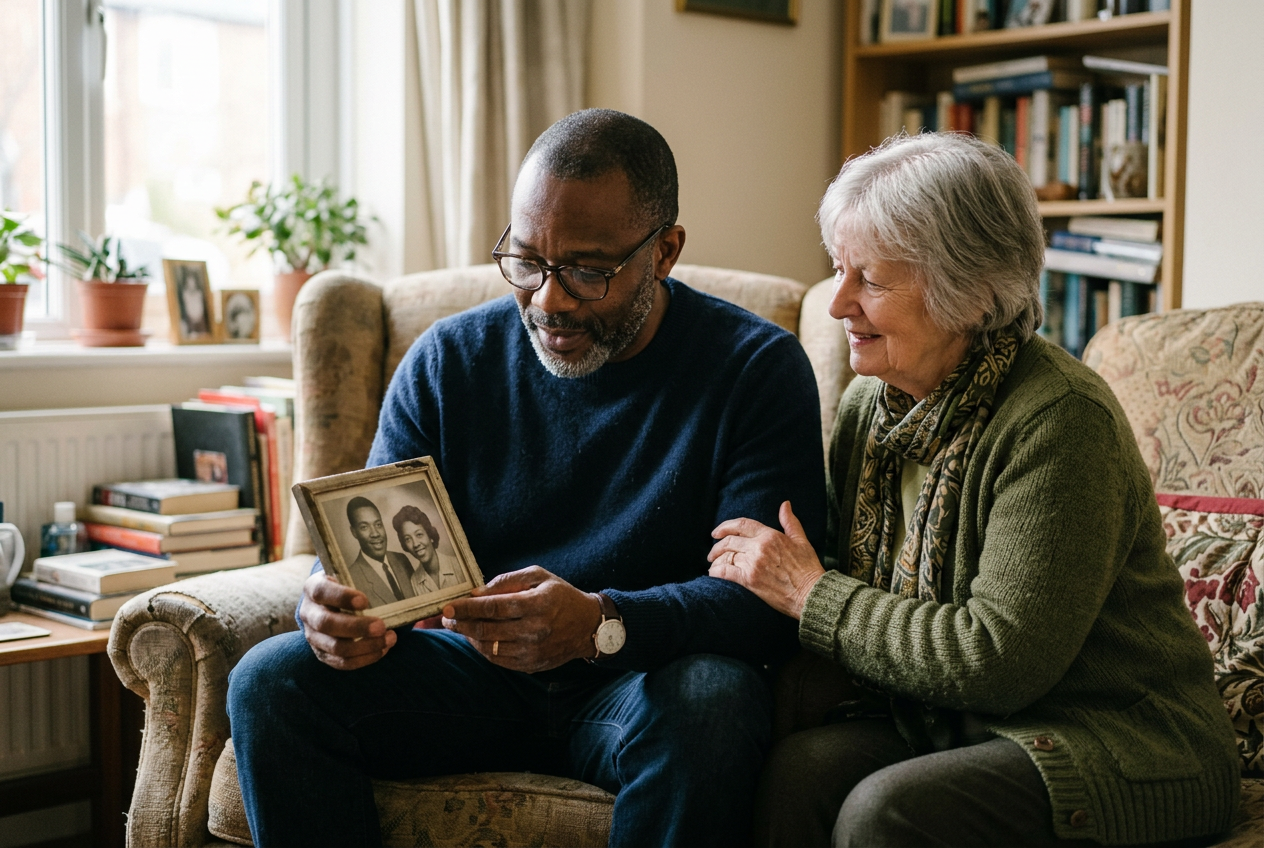
This is especially important during adolescence and early adulthood, when many decisions look academic on the surface but are personal underneath: what to study, whether to continue, how to respond to failure, how to choose friends, how to manage pressure, how to imagine adulthood. Schools and families matter enormously, but many young people also benefit from a wider circle of adults.
North America already has institutions that understand this idea. Big Brothers Big Sisters, community centers, libraries, after-school programs, faith communities, college-access organizations, and youth employment programs all reflect the same principle: one stable adult relationship can widen a young person’s horizon. The challenge is to make this kind of support less dependent on geography, family income, or private connections.
A society that values education should therefore value the adults who quietly support growth outside formal classrooms. It should create safer, more organized, and more equitable ways for young people to meet mentors. It should also recognize that mentorship benefits both sides. Young people gain perspective, while older adults remain connected to purpose, community, and contribution.
The future of education will not be built only through better software, better curriculum, or more exams. It will also depend on whether young people have access to people who can help them connect knowledge to life.
Sometimes a young person does not need a perfect plan. Sometimes he needs one trusted adult who is willing to listen carefully and ask, with respect, what he wants to do next.
This is only the beginning.