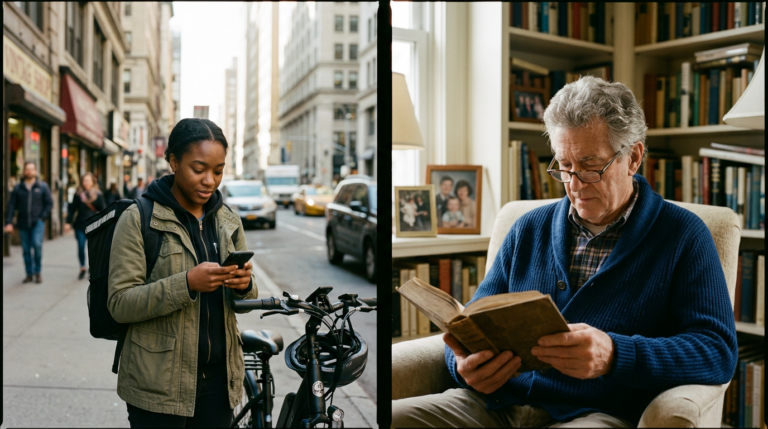
Retirement Is Not the End of Contribution
How North America can turn experience into opportunity for the next generation
When Jimmy Carter left the White House in 1981, he was in his fifties, an age when many Americans are still in the middle of their working lives. His formal political power had ended. But the next chapter of his life became one of the most recognizable examples of public service in modern American culture.
Carter did not define his later years by distance from responsibility. He helped build homes with Habitat for Humanity, supported civic and humanitarian causes, taught Sunday school, wrote books, monitored elections, and remained visible as a citizen rather than merely a former president. His example matters because it gave Americans a familiar image of later-life contribution: a person can leave a title and still remain useful.
That idea is larger than one famous person. North America needs a better way to talk about retirement.
For decades, retirement has often been described as the reward at the end of work: a mortgage paid down, a pension or savings account secured, and a calendar finally cleared. That promise still matters. After a lifetime of work, people deserve rest, healthcare, financial security, and time with family.
But retirement is no longer only a private life stage. It is becoming a public policy question.
The United States and Canada are aging societies. At the same time, both countries face challenges in education, workforce development, social mobility, loneliness, caregiving, and community trust. Students need career guidance. Workers need new skills. Families need trusted support. Employers need experienced talent. Communities need people who can mentor, teach, advise, and help others navigate complicated systems.
Older adults are not separate from these challenges. Many are part of the solution.

A retired teacher does not lose classroom judgment on the day she leaves school. A retired nurse does not lose clinical wisdom when she leaves the hospital floor. A retired engineer does not forget how to identify a design problem. A retired business owner does not stop understanding customers, hiring, failure, and responsibility. The job may end. The experience remains.
North American culture already understands the idea of a second act. Grandma Moses became one of America’s most recognizable folk artists not because she was a young prodigy, but because she began painting seriously late in life after arthritis made needlework difficult. Her story remains powerful because it challenges the assumption that creativity belongs mainly to youth.
Colonel Harland Sanders became a symbol of American entrepreneurship after many earlier efforts had failed or changed direction. The familiar KFC story endures because it fits a deeply American belief: reinvention can happen later than expected. A person’s second or third act can still shape a public legacy.
Marc Freedman, who helped popularize the idea of the “encore career,” has argued through his work that later life can be a period of contribution to the greater good, not only withdrawal from paid work. His work with Experience Corps also showed a practical model: adults over 50 could help improve the prospects of elementary school students in low-income communities. The cultural message is direct. Older adults can be a bridge between generations.
These examples are not policy plans by themselves. They are cultural signals. They show that North Americans already admire reinvention, service after status, creativity late in life, and usefulness beyond a job title. What society has not built well enough is the infrastructure that makes these second acts available to ordinary people, not only famous ones.
Aging policy often focuses on the cost side of longer life: pensions, healthcare, caregiving, housing, and long-term care. Those concerns are serious and necessary. But a complete aging policy must also ask another question: how can older adults remain connected to work, education, and civic life in ways that are flexible, safe, and meaningful?
Canada’s age-friendly workplace guidance encourages employers to value older workers for their experience, institutional knowledge, productivity, and diversity. The United States has long recognized age discrimination as a workplace problem and has built legal protections around the principle that workers over 40 should not be pushed aside because of age. U.S. programs for older workers also recognize that some people need structured pathways to reenter employment and community service.
These policies point toward a broader principle. Older adults should not be treated as people whose usefulness has expired.
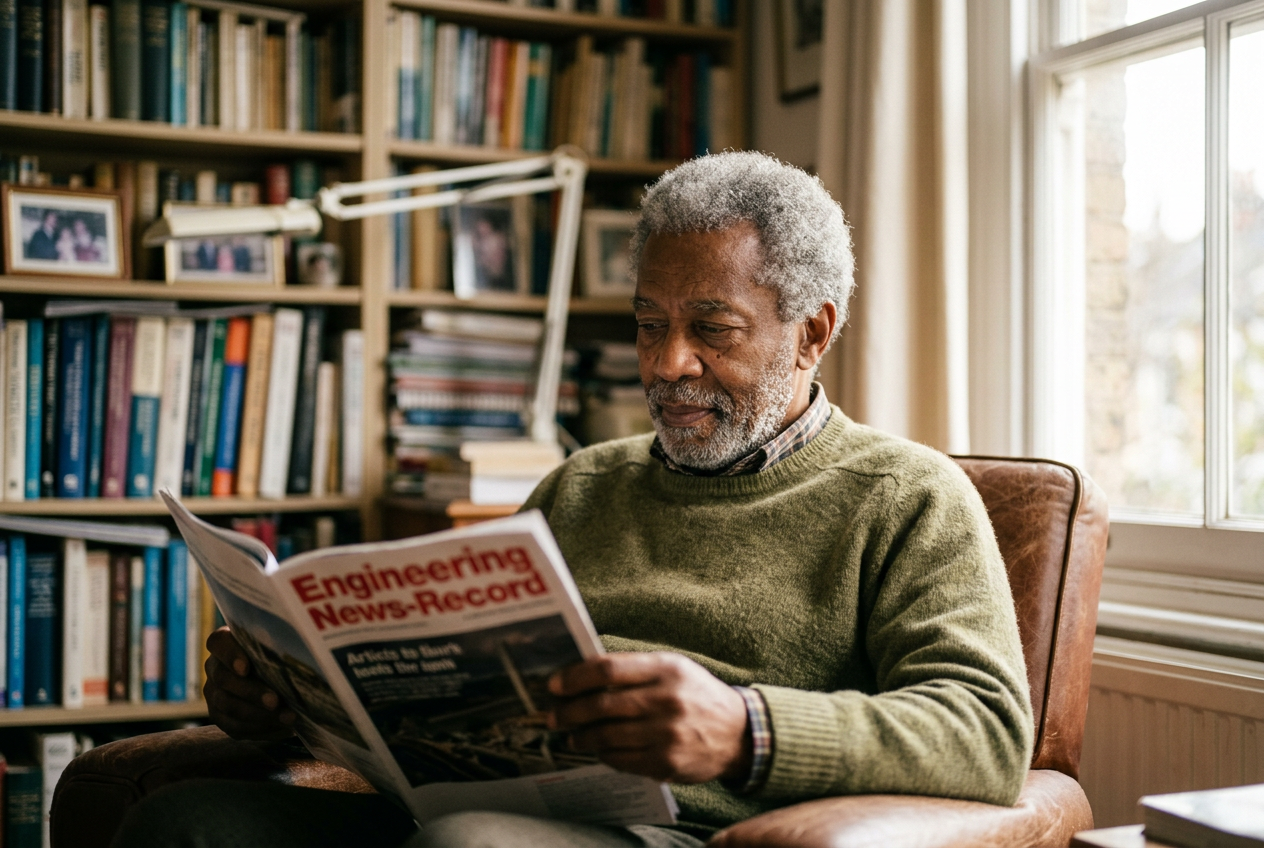
This principle matters in education. Many students today have access to information, but they do not have equal access to guidance. A student can search online for what an engineer does, what a nurse does, or what a data analyst does. That information is useful, but it is not the same as hearing an experienced adult explain what the work actually feels like, what mistakes shaped them, what skills mattered most, and what they wish they had understood when they were younger.
Well-connected families often provide this exposure informally. A child may have a parent’s friend in medicine, a neighbor who teaches at a university, an uncle in technology, or a family friend who owns a business. These conversations help young people understand the real world before they enter it.
Many ordinary families do not have those networks. Their children may be hardworking and capable, but they may not know anyone who can explain a profession from the inside. They may know how to study for tests, but not how to imagine a future.
That is why intergenerational mentorship should be understood as part of education equity. Education equity cannot mean only access to textbooks, tutoring, and test preparation. It must also include access to social capital: trusted adults, professional stories, career exposure, and real conversations about work and life.
A student who meets a retired aerospace engineer may finally understand why mathematics matters. A student who speaks with a retired nurse may understand healthcare as responsibility, not just a job title. A student who meets a retired entrepreneur may learn that failure is not the opposite of success, but part of building something real.
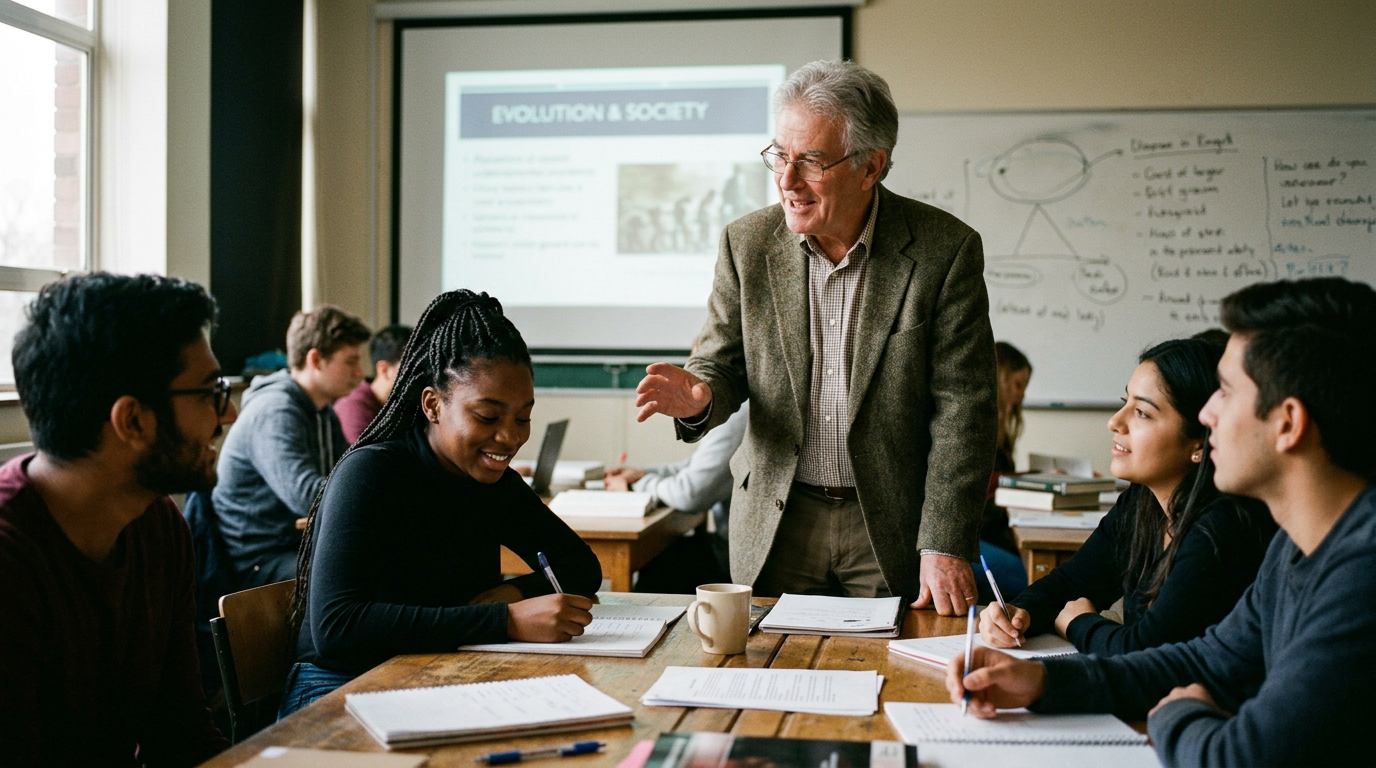
Older adults do not need to replace teachers, counselors, or parents. They need structured ways to contribute. Schools, nonprofits, education platforms, community colleges, libraries, and workforce organizations can create roles for experienced adults as career mentors, project advisers, guest speakers, part-time instructors, reading coaches, entrepreneurship mentors, college-access advisers, and community volunteers.
These roles should not be romanticized. Good mentorship requires training, screening, accountability, and clear boundaries. Not every experienced person is automatically a good mentor. Not every student should be placed into an informal relationship without safeguards. Institutions must protect students, families, and older adults by designing programs with trust, safety, and quality control.
But the need for safeguards is not an argument against the idea. It is an argument for better design.
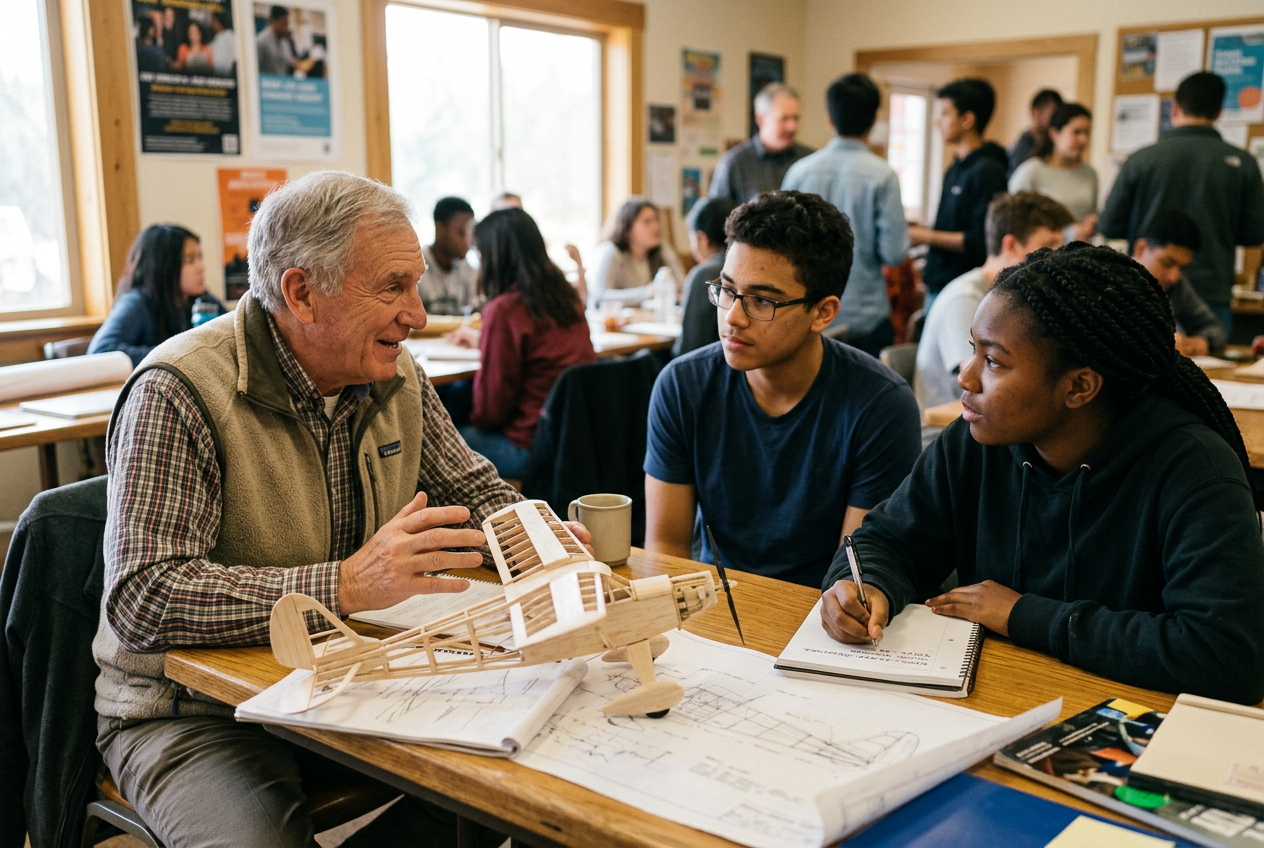
The same logic applies to workforce reentry. Many people in midlife or later life still want to work, but they may not want traditional full-time employment. Some older adults want part-time roles. Some want consulting work. Some want to teach. Some want to mentor. Some want project-based work that allows them to contribute without returning to the pace of their previous careers.
A modern silver economy should include these options. The silver economy should not be reduced to selling products and services to seniors. A serious silver economy recognizes older adults as producers, mentors, consumers, learners, caregivers, volunteers, and workers. It asks how communities can benefit from the experience older adults already have.
This matters especially in a labor market shaped by technology. Artificial intelligence can generate information quickly, but it cannot replace lived judgment. It can explain a profession, but it cannot fully describe the pressure of making decisions when people depend on you. It can summarize leadership theories, but it cannot replace a conversation with someone who has led a team through conflict, uncertainty, and failure.
Young people do not need older adults because older adults know everything. They need them because experience provides context. Experience helps young people understand what information means in real life.
Older adults also benefit from staying connected. Many retirees do not simply miss a paycheck. They miss routine, purpose, identity, colleagues, and the feeling that someone still needs their judgment. Meaningful contribution can support dignity and social connection, especially when it is voluntary, flexible, and respectful of individual choice.
The goal is not to force people to work longer. The goal is to make contribution possible for those who want it. A fair society should protect rest. It should also protect usefulness.
The next stage of education and workforce policy should connect three groups that are too often treated separately: young people who need guidance, adults who need new pathways, and older adults who still have experience to share. This is not charity. It is social infrastructure.
A community becomes stronger when a retired teacher helps a child read. A workforce becomes stronger when an experienced manager advises a younger founder. An education system becomes fairer when students from ordinary families meet professionals outside their family networks. An aging society becomes healthier when older adults remain visible, respected, and connected.
North America already celebrates the second act. The challenge is to make that second act less dependent on fame, luck, or private networks.
Retirement should not mean disappearance. It should mean choice. For some people, that choice will be rest. For others, it will be family. For many, it can also be mentoring, teaching, advising, creating, volunteering, or working in a new way.
Aging societies will be judged not only by how well they care for older adults, but by whether they continue to recognize them as full participants in public life. The future of aging is not only longer life. It is longer contribution, broader belonging, and a more generous understanding of what people can offer at every stage of life.
This is only the beginning.