Education Equity Should Include Access to Experience
Students do not only need courses and exams. They need exposure to the people and professions that help them imagine their futures.
A student can have excellent grades and still have a narrow view of the future.
Educators see this often. Two students may have similar discipline, intelligence, and academic performance. One has met professionals, heard career stories, visited workplaces, and spoken with adults who use knowledge in the real world. The other has encountered knowledge mainly through schoolwork. Over time, that difference can shape ambition, confidence, and choice.
One student may ask whether artificial intelligence will replace programmers because he has spoken with someone in the technology industry. Another equally talented student may answer “I don’t know” when asked what he wants to study, not because he lacks ability, but because he has never had meaningful exposure to different fields.
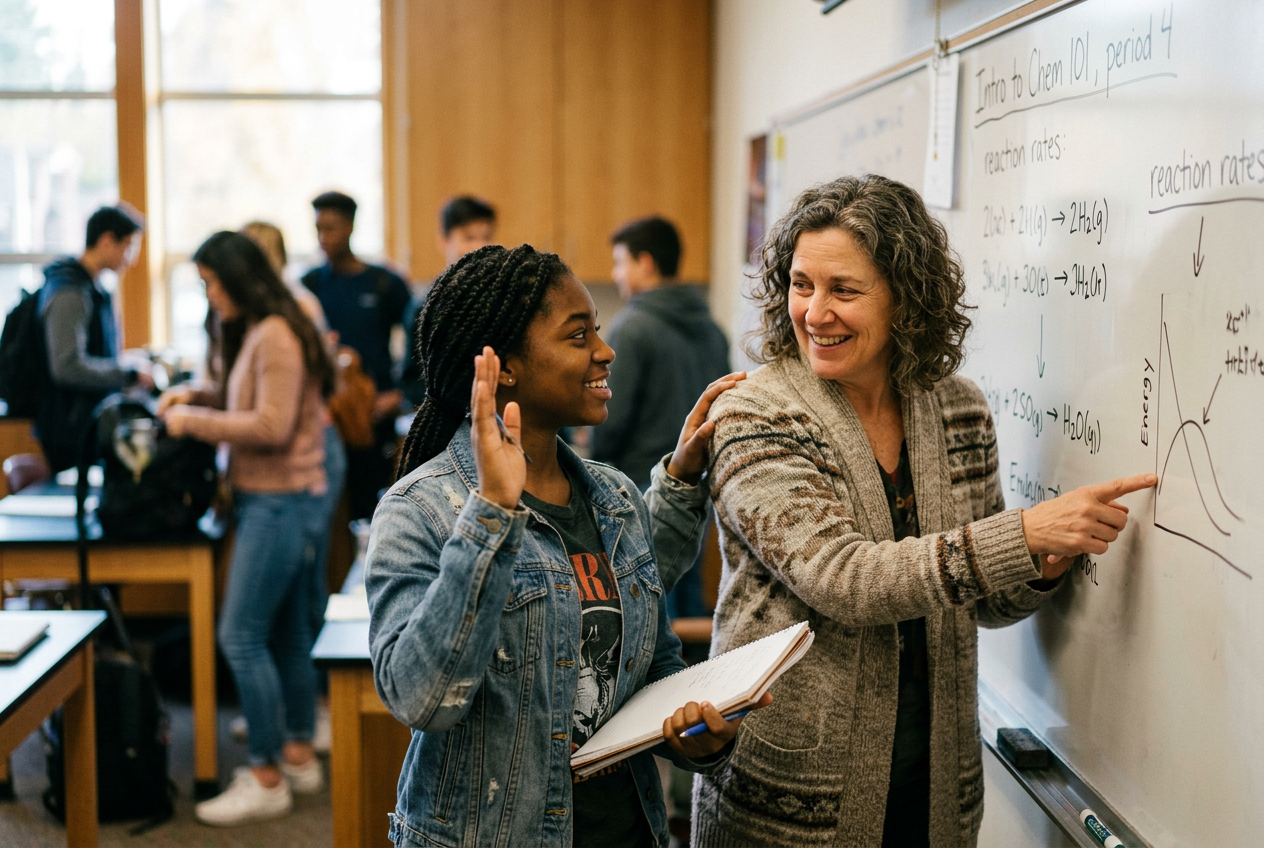
This is one of the quieter forms of inequality in education.
Families do not experience this gap in the same way. Some parents can introduce their children to doctors, engineers, researchers, entrepreneurs, professors, designers, or policymakers. Other parents care just as deeply about education but do not have those networks. They can pay for classes, supervise homework, and encourage effort, but they cannot easily provide access to professions they themselves have never encountered.
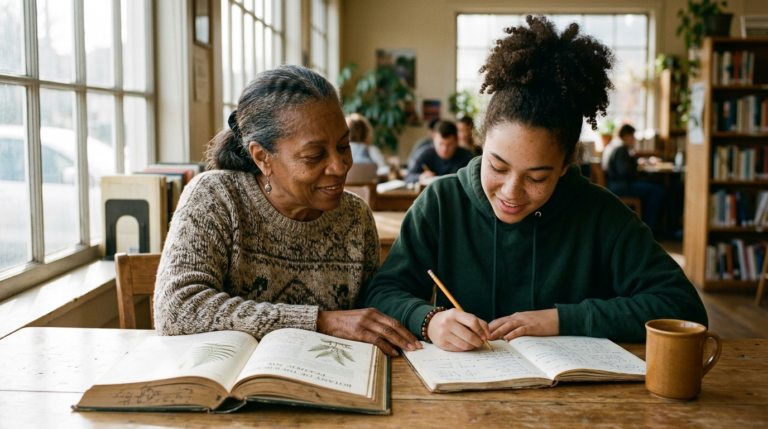
A parent once described the problem in plain language. She did not need her child to become a doctor, engineer, or professor. She simply wanted her child to have the chance to meet people like that. She understood that one conversation could give a child something a worksheet could not: a picture of what adulthood might look like.
That statement reveals a practical dimension of education equity. The issue is not only whether a child can access a textbook, a tutor, or an online course. It is whether the child can access a broader world.
North American education policy often speaks about equity through school funding, digital access, college affordability, adult education, workforce readiness, and career pathways. These categories are important. But the concept should expand to include what might be called experience equity: fairer access to role models, professional exposure, mentorship, and real-world context.

Experience equity matters because children build futures from what they can imagine. A student who has never met a scientist may not see science as a life path. A student who has never spoken with an engineer may think mathematics exists only for exams. A student who has never met a working artist, entrepreneur, nurse, researcher, or software developer may not understand how talent becomes a profession.
Exposure does not guarantee success. But lack of exposure narrows the field of possibility.
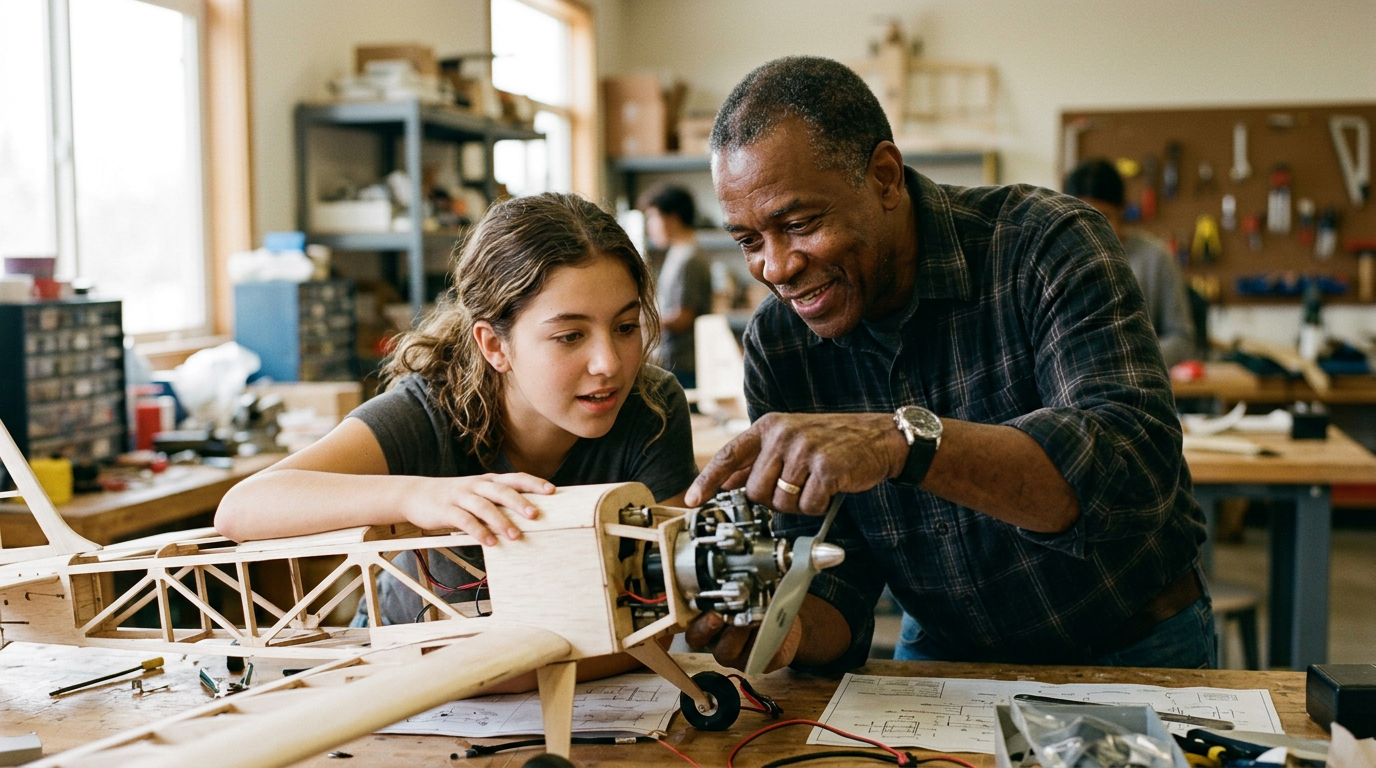
This is why career education should not begin only in the final years of high school or after university graduation. Students need earlier, age-appropriate encounters with the real world. They need to see how subjects connect to problems people solve every day. A child may understand the value of mathematics differently after hearing an aerospace engineer explain how calculations become aircraft. A student may understand biology differently after speaking with a physician or researcher. A young person may understand writing differently after meeting someone whose work depends on communication.
This approach is not new to North American culture. Public libraries, community colleges, extension programs, youth organizations, and career days all rest on the belief that opportunity expands when knowledge leaves closed institutions and enters public life. What is needed now is a more systematic version of that belief, especially for families without private networks.
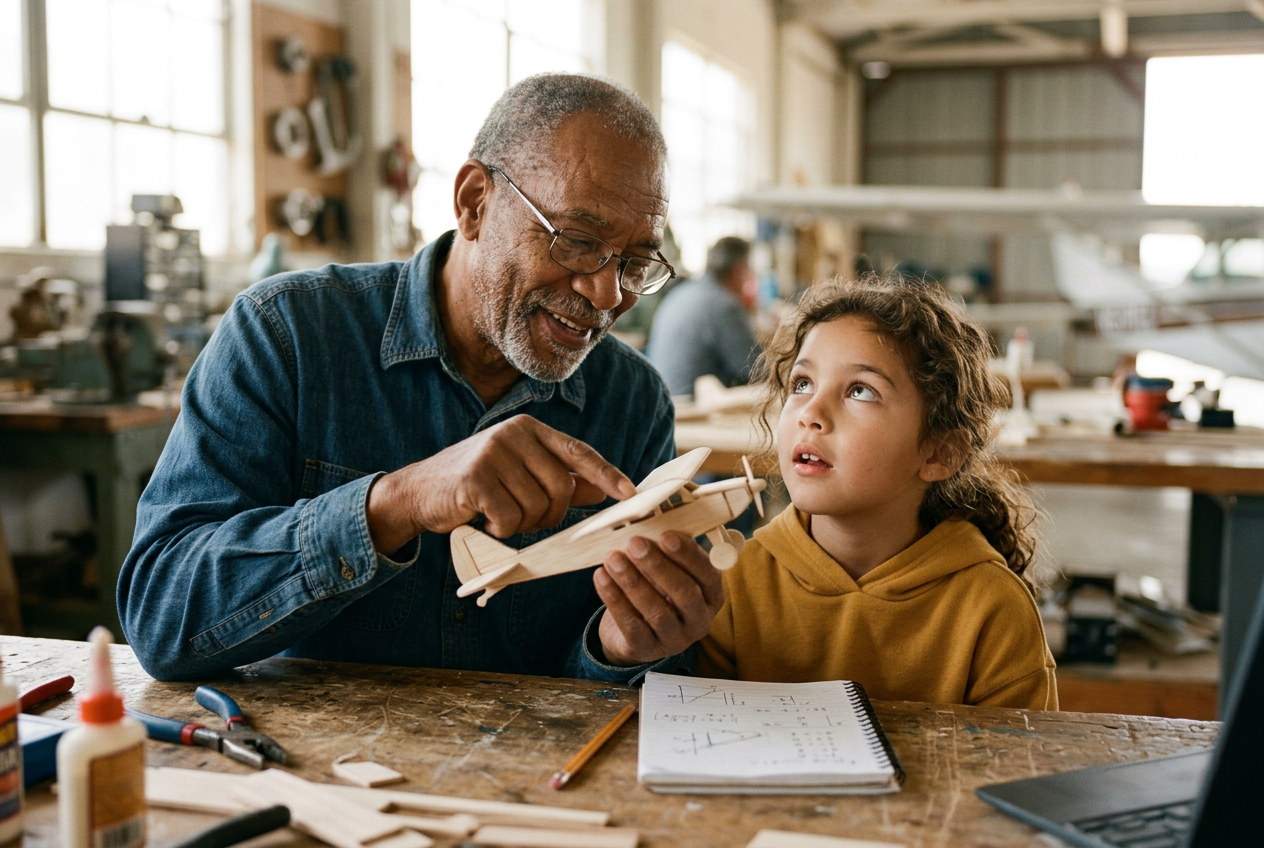
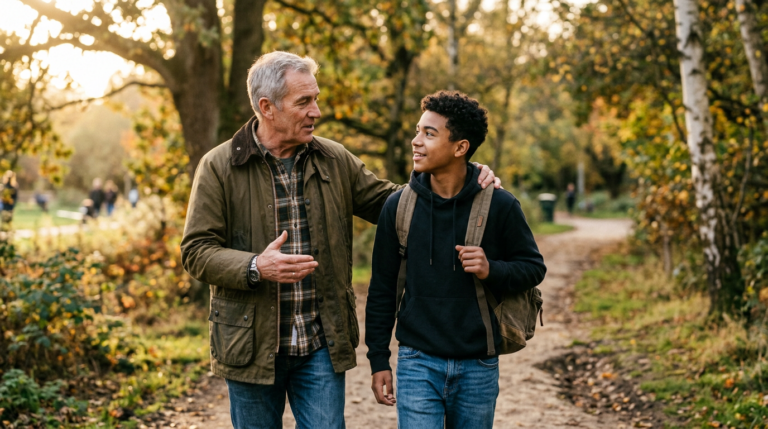
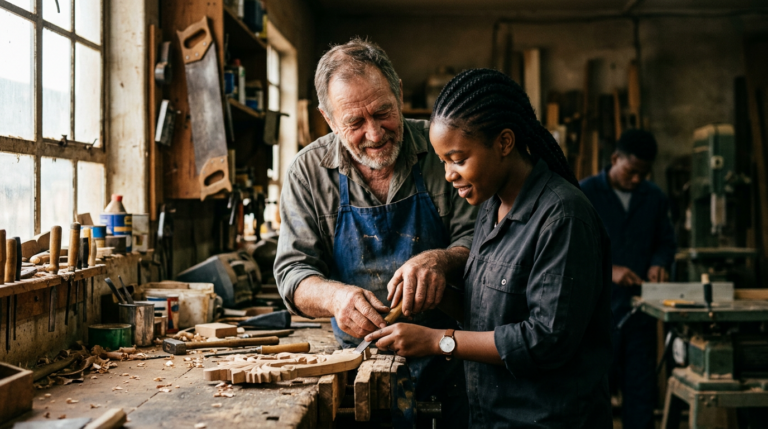
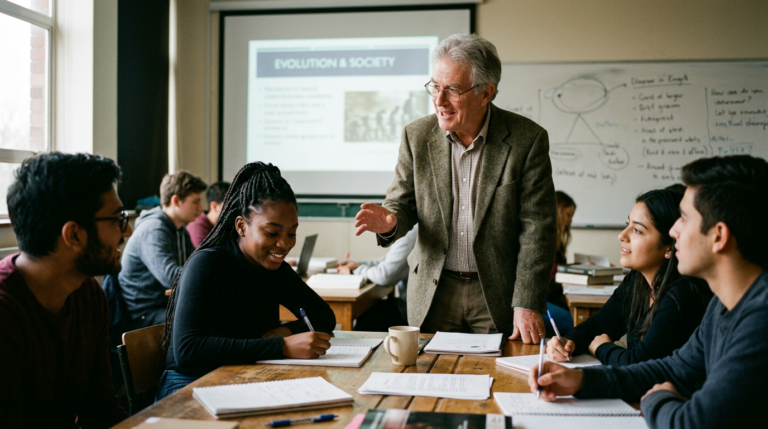
Older adults and experienced professionals can help address this gap. Retired teachers, engineers, doctors, professors, managers, nurses, artists, and business owners carry stories that are difficult to obtain from textbooks. They can explain not only what a field is, but how a person enters it, struggles in it, adapts to it, and finds meaning in it. Their experience can help young people connect academic knowledge to real decisions.
This also fits the broader policy direction of lifelong learning and age-friendly participation. Canada has emphasized age-friendly workplaces and older-worker engagement. The United States has adult education and older-worker employment programs that recognize the importance of pathways back into participation. When these ideas are connected to education equity, they suggest a more integrated model: experienced adults can continue contributing while younger people gain access to guidance they otherwise might not receive.
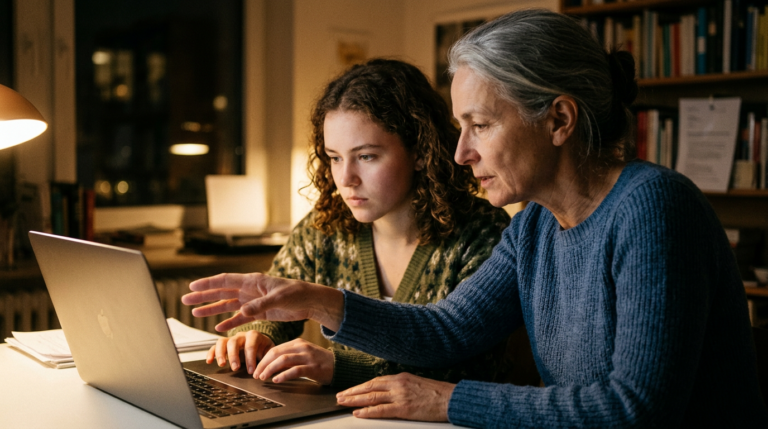
Technology can support this work, but it cannot replace the relationship. An online video can show a profession. A mentor can respond to a student’s question. Artificial intelligence can explain a concept. A human professional can explain how that concept feels when used under real pressure, with real consequences, in real life.
Schools, families, community organizations, and education platforms should therefore think beyond content delivery. They should ask how to build trusted networks that connect students with people who can widen their horizons. These networks should be safe, structured, and accessible to ordinary families, not only those with private social capital.
If education is meant to expand a young person’s choices, then fairness must include more than access to lessons. It must include access to the people, stories, and experiences that help students understand what choices are possible.
A child’s future can begin to change the first time he sees a world larger than the one immediately around him and believes that he may have a place in it.
This is only the beginning.