A Parent Due Diligence Checklist Before Booking Any Tutor
Six steps to check a tutor’s credentials, references, and safety practices before the first lesson, using Tutriva’s honest framework.

Six steps to check a tutor’s credentials, references, and safety practices before the first lesson, using Tutriva’s honest framework.

Why Tutriva tutors may only contact minors through platform or parent approved channels, and the boundaries parents should set.

A practical, step by step guide for BC parents on vetting an online tutor: profiles, questions, documents, and safe lesson setup.

What Tutriva’s 11-rule Tutor Code of Conduct actually requires from tutors, translated into plain protection points for parents.

A plain language look at the Tutriva tutor declaration: the four confirmations, their honest limits, and what parents should still check.
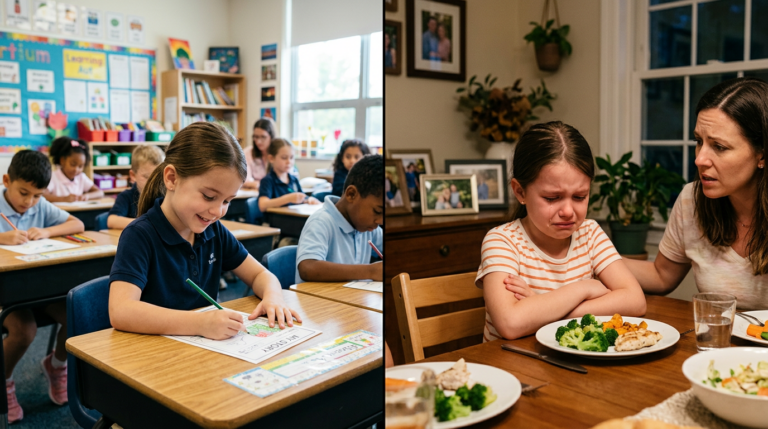
The teacher says your child is doing great. That evening they fall apart at the dinner table. Here is what that gap is actually telling you.

Parents cannot outsource noticing, translating, planning, or the quiet work of being present. Here is what that looks like in practice, from a soccer field to a homework desk to the moment you let go.

A student who never submits anything below a ninety looks like a high achiever. But perfectionism often holds kids back more than it drives them forward.

“I cannot do this” is rarely a measurement of ability. It is often a prediction about what effort will return. Here is what is really being said, and what changes it.

A child who loved school in elementary often seems to check out in middle or high school. This shift is mostly developmental. Here is what is actually happening, and what re-engages teenagers.

Sticker charts, prizes, and incentive systems are widely used in schools and homes. The research on whether they actually build lasting motivation is more complicated than expected.

Worry about your child’s education is natural. But research shows parental anxiety does not stay with the parent. Here is how it travels, and what breaks the cycle.

A child who stares at a blank page for forty minutes is not being lazy. They are managing something harder than the assignment. Here is what is really happening.

There is a pattern many tutors notice: the students who seem most gifted are sometimes the least resilient. Here is why, and what actually changes it.
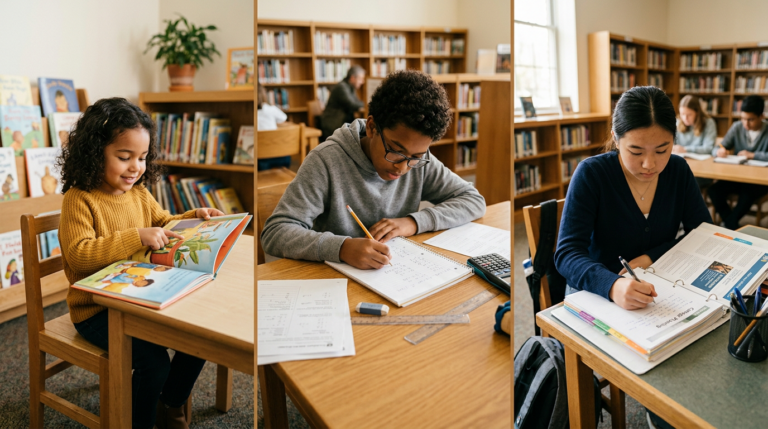
Elementary, middle school, and high school each call for different goals and different kinds of support. Here’s how to prioritize at every stage.