Why Your Child Thrives at School but Struggles at Home
Tutriva connects families with tutors who provide consistent, predictable learning support outside of school. Browse tutor profiles →
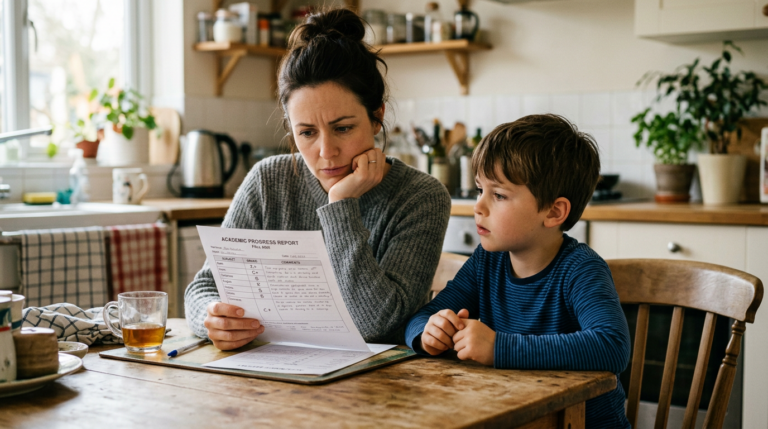
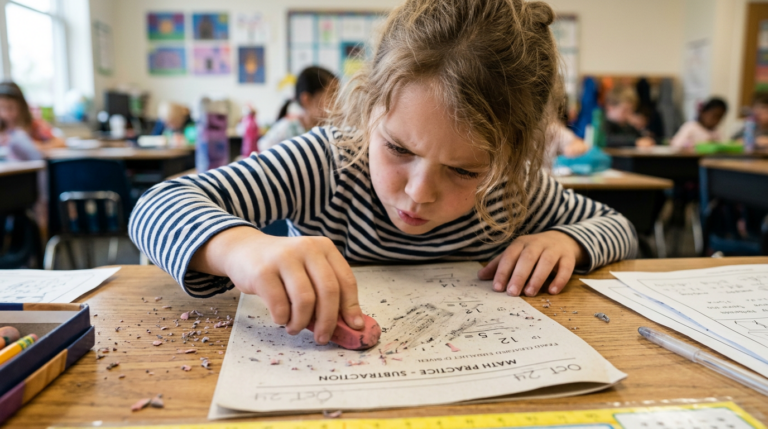
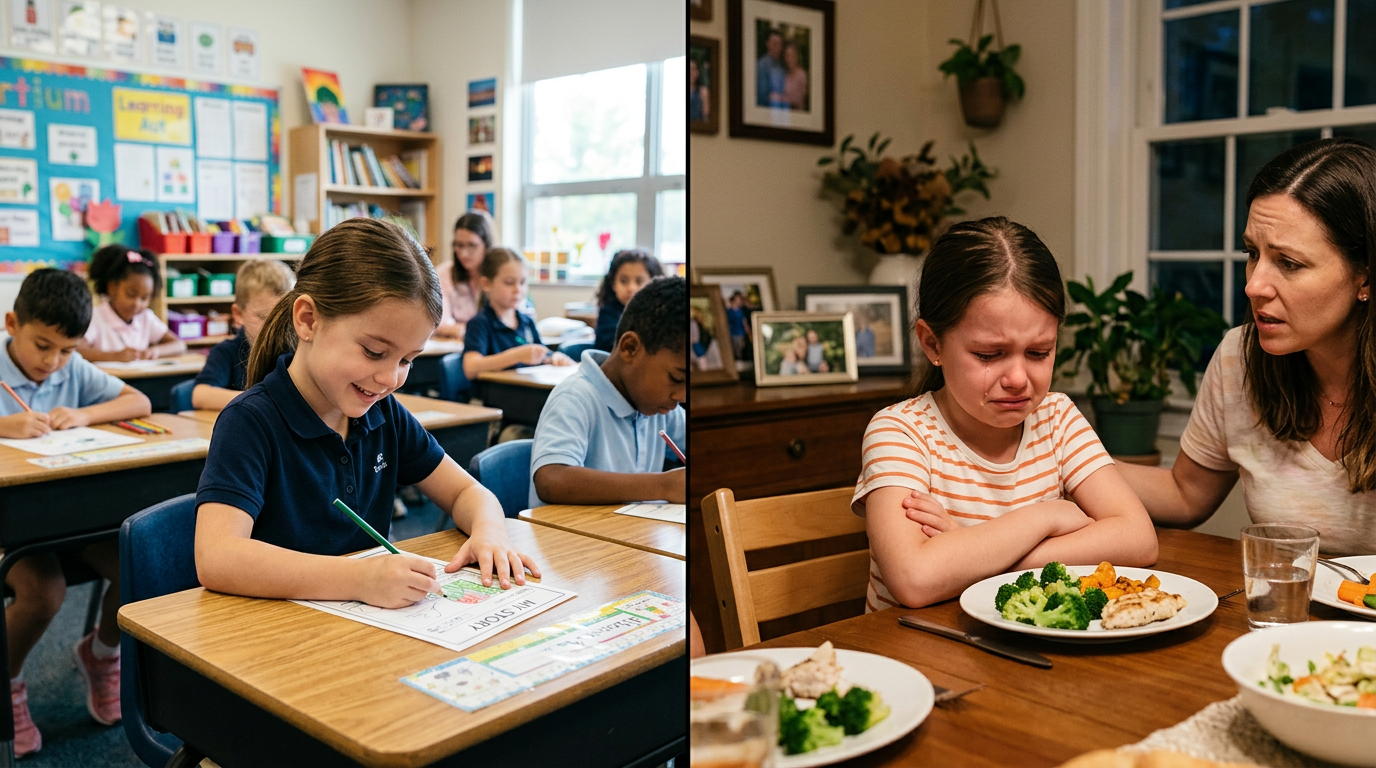
The message from the teacher says the child is doing well: engaged in class, getting along with peers, completing work on time. That evening, the same child refuses to start homework, cries at the dinner table, or falls apart over something apparently minor. For parents, the gap between these two versions of their child can feel confusing and sometimes deeply frustrating. It is actually a meaningful signal.
What happens emotionally at school
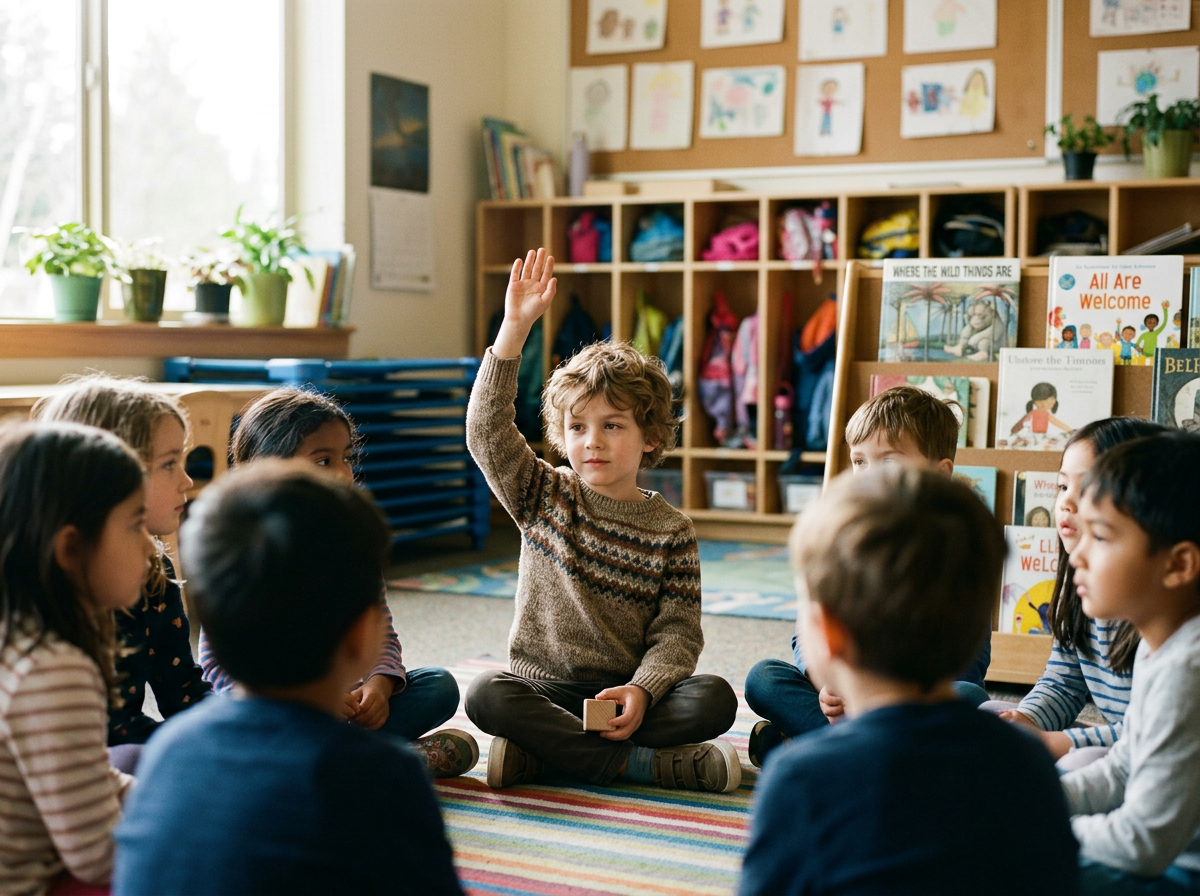
School asks children to perform continuously in front of peers and authority figures for six or more hours a day. This requires sustained emotional regulation: managing boredom, frustration, social friction, and the ordinary challenges of group life while still participating, learning, and meeting expectations. For many children, this is a significant amount of ongoing effort.
The capacity for this kind of sustained self-regulation is not unlimited, and it is not equally distributed throughout the day. Children, especially younger ones, rely partly on external scaffolding to maintain it: the teacher’s consistency, the structure of the schedule, the social accountability of peers. At school, that scaffolding is in place. It works. But it costs something to maintain.
Why home is the release valve
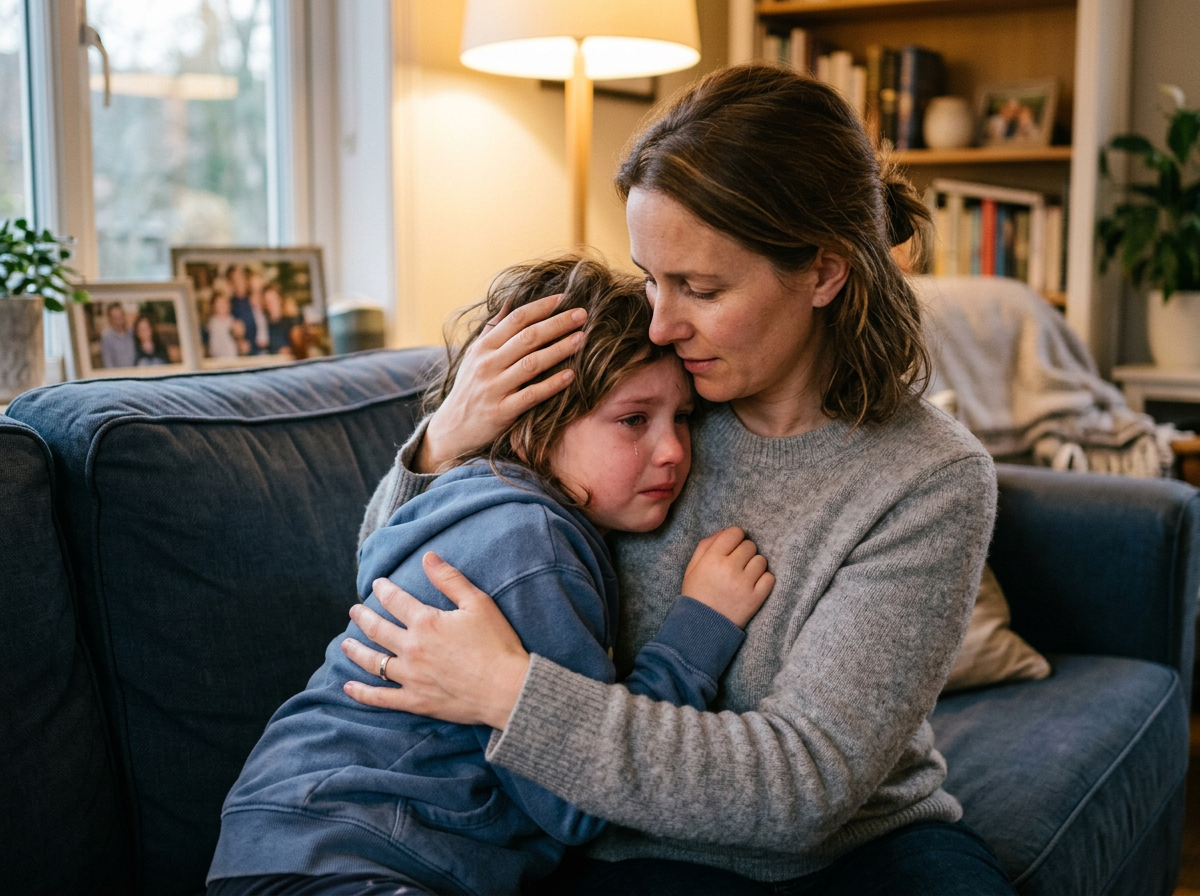
When children arrive home, they are often in a state of genuine depletion. They have spent hours managing their behavior, their emotions, and their attention. Home, with its familiar people and absence of social consequence, is where the mask comes off. Meltdowns, refusals, irritability, and regressions are not signs that something is wrong with the child. They are signs that the child feels safe enough to let go.
In developmental terms, this is healthy. Children who cannot release at home often carry the tension elsewhere in less manageable ways. The child who is perfectly behaved in every setting may be suppressing something that eventually surfaces differently. The challenging behavior at home is often the direct cost of the sustained performance at school, and it reflects genuine trust in the home environment.
When the gap becomes a concern
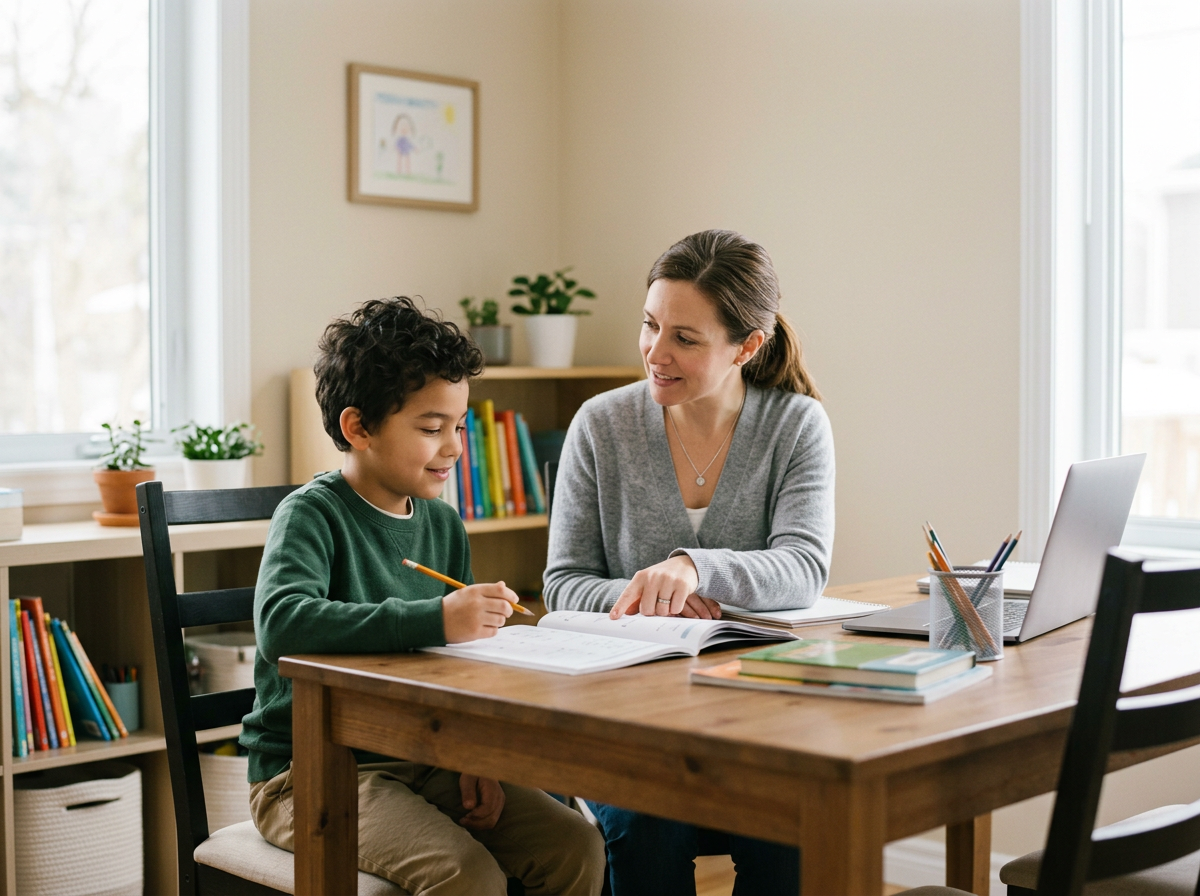
The school-home gap becomes worth examining more carefully when it is very large, very consistent, or when home life is significantly disrupted by it. A child who is visibly distressed every single evening, who cannot begin any schoolwork at home, or who seems to be using enormous emotional resources to maintain performance at school, may benefit from additional support.
A tutor, functioning as a consistent, calm third party outside of both home and school, can sometimes provide a middle space where neither the school performance demand nor the home release dynamic fully applies. The regularity of a tutoring relationship, separate from both contexts, offers a kind of predictability that some children find genuinely stabilizing. On Tutriva, you can find tutors who fit your child’s schedule and work within their current capacity. Browse profiles →