New Westminster Math Tutoring: BC Numeracy, Pre-Calculus & Foundations
Math is where a lot of New Westminster families first feel the ground shift. A student who breezed through elementary arithmetic hits Grade 8 or 9 and suddenly the homework takes twice as long, the marks slide, and nobody is quite sure why. In a compact, fast-changing district like School District 40 (SD40) — where most secondary students funnel into one large school, New Westminster Secondary School (NWSS) — those gaps are easy to lose in a busy classroom. The right New Westminster math tutor closes them before they harden into a story a student tells themselves: “I’m just not a math person.”
This guide walks through how math actually unfolds across the BC curriculum in New West, where students tend to stumble, and how to choose support — whether you want someone in person near Uptown, Sapperton, or Queensborough, or a strong online tutor who fits around a packed family schedule.
Why math gets harder in New Westminster around Grades 8–10
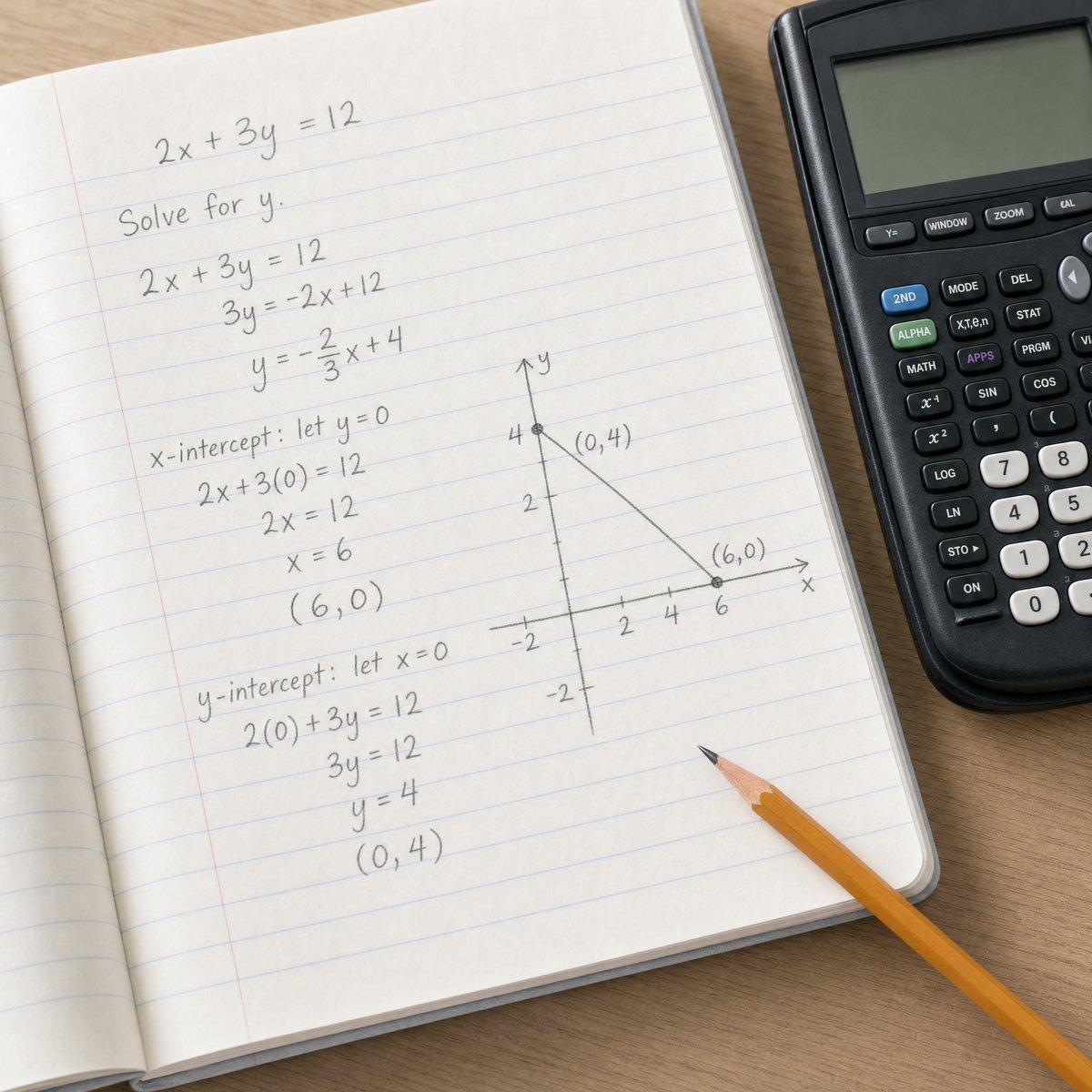
BC math is built as a sequence, not a set of isolated topics. Each year quietly assumes the year before is solid. So when a student arrives at NWSS or one of the district middle schools with a shaky grasp of fractions, integers, or basic algebra, the new material doesn’t just feel hard — it feels impossible, because half the foundation is missing.
The pressure points we see most often with New West families:
- Grade 8–9: the jump from arithmetic to abstract algebra — variables, negative numbers, solving for the unknown, and the first real proportional reasoning.
- Grade 10: students hit a genuine fork (more on that below), and the pace of Foundations of Mathematics and Pre-Calculus 10 leaves little room to patch old gaps.
- The BC Numeracy Assessment: a graduation requirement that tests applied, cross-curricular problem solving rather than memorized procedures — a different kind of thinking than a typical unit test.
If your child is in Grade 8 right now, the most useful thing you can read is our Grade 8 math wall guide for BC parents — it explains exactly which skills tend to collapse at this stage and why catching them early matters so much.
The Grade 10 fork: Foundations vs Pre-Calculus
This is the decision that confuses the most New West parents, so it’s worth being precise. In BC, after a common Grade 10 pathway, students choose between two streams for Grades 11 and 12:
- Foundations of Mathematics — geared toward arts, social sciences, trades, and many general university programs. Strong on statistics, reasoning, finance, and applied problem solving.
- Pre-Calculus — the algebra-heavy stream required for calculus, sciences, engineering, and competitive STEM admissions.
Neither stream is “better.” But picking the wrong one — or drifting into Pre-Calculus 11 with weak Grade 10 algebra — is one of the most common reasons capable students stall in Grade 11. A tutor’s job here is partly diagnostic: figuring out which stream genuinely fits a student’s goals and current foundation, then building the algebra fluency Pre-Calculus demands. We cover this transition in depth in our Pre-Calculus 11/12 transition guide, which is essential reading for any NWSS family weighing the science-and-engineering track.
A good rule of thumb: if a student is aiming at a science, engineering, or computing degree, they almost certainly need Pre-Calculus — and the time to shore up the prerequisites is Grade 10, not the week before Pre-Calculus 11 begins.
What “Numeracy” actually means in BC — and why it trips students up
Parents often assume “numeracy” is just a fancier word for arithmetic. It isn’t. The BC Numeracy framework is about applying math to unfamiliar, real-world situations — interpreting, planning, estimating, and justifying an answer, often with no obvious formula to plug into. For a full breakdown of how the Grade 10 assessment is structured and where students lose marks, see our BC Grade 10 Numeracy Assessment guide.
That’s why a student can earn solid report-card marks and still feel rattled by numeracy-style questions: the format rewards reasoning and communication, not recall. Tutoring for numeracy looks different too. Instead of drilling one procedure, a good tutor works through messy, multi-step prompts out loud — the kind of “real-world thinking” we describe in our STEM tutoring approach across Greater Vancouver — so the student builds the habit of breaking a problem down rather than freezing.
BC also reports progress on a proficiency scale (Emerging, Developing, Proficient, Extending) rather than only percentages. A tutor who understands that language can read a student’s reporting honestly and target the specific reasoning gaps holding them at “Developing.”
How a New Westminster math tutor builds a plan
Real progress comes from a plan, not a pile of worksheets. Here’s the shape of how an effective tutoring relationship works for a New West student.
1. Diagnose the real gap, not the symptom. A Grade 10 student “struggling with quadratics” is often actually struggling with factoring, or with negative-number operations from Grade 8. Good tutoring starts by tracing the symptom back to its root.
2. Align to the BC curriculum and the student’s actual class. The work should map onto what NWSS or the district middle schools are teaching now — same notation, same vocabulary, same assessment style. Our broader approach to this is laid out in our BC curriculum math tutor guide.
3. Rebuild foundations while keeping up with class. The art is doing both at once: patching Grade 8 gaps without letting the student fall behind on this week’s Grade 10 homework.
4. Build exam and numeracy stamina. Timed practice, showing work clearly, and the applied reasoning the Numeracy Assessment rewards.
5. Track and report honestly. A parent should always know what’s improving and what still needs work — no vague reassurance.
In-person or online — which fits a New West family?
New Westminster’s geography is unusual: a small, dense city split by the river, with Queensborough on the far side and steep daily traffic on the bridges. That makes the in-person-versus-online question genuinely practical, not just a preference.
In-person suits younger students, anyone who needs a quiet structured hour away from home distractions, or families near a convenient meeting spot in Uptown or Sapperton.
Online suits busy households, students juggling sports or music, and anyone who wants access to a specialist tutor (say, a Pre-Calculus 12 or contest-math expert) regardless of which side of the Fraser they live on. Online sessions skip the bridge traffic entirely and make it easy to share a digital whiteboard.
On Tutriva you can filter and message tutors directly, see who specializes in exactly the math your child needs, and book a free first lesson either way — so you can test the fit before committing.
What to look for in a tutor (and what to ignore)
- Subject-specific fit. A tutor strong in Pre-Calculus and calculus isn’t automatically the right choice for a Grade 8 student rebuilding fractions — and vice versa. Match the tutor to the actual need.
- Familiarity with BC. Someone who knows the Foundations/Pre-Calculus split, the proficiency scale, and the Numeracy Assessment will lose far less time getting oriented.
- Communication. You want a tutor who explains why, encourages the student to talk through their thinking, and reports back to you plainly.
- Don’t over-index on credentials alone. A wall of degrees doesn’t guarantee a student will click with the person. The free first lesson exists precisely so you can judge the human fit.
If you’d like a fuller framework for this, our guide on how to choose a tutor in BC walks through the questions worth asking before you commit.
New Westminster families often pair math support with writing help, since strong reasoning and clear communication reinforce each other. If that’s you, our companion New Westminster English and writing tutor guide covers the language side of the same goal.
Frequently asked questions
At what grade should we start math tutoring in New Westminster?
Earlier than most families expect. The cheapest, fastest fix is in Grade 8 or 9, before algebra gaps compound. By Grade 11 you’re often paying — in time and stress — to rebuild foundations that could have been handled in an hour a week two years earlier. That said, it’s never too late: even Grade 12 students can make real gains with focused work.
My child is in Grade 10 and unsure about Foundations vs Pre-Calculus. Can a tutor help decide?
Yes, and this is one of the highest-value things a tutor does. They can assess current algebra fluency, weigh it against your child’s university and career goals, and give an honest read on whether Pre-Calculus is realistic — and what it would take to be ready for it.
Do you cover the BC Numeracy Assessment specifically?
Yes. Because the assessment rewards applied reasoning over memorized procedures, tutoring for it focuses on multi-step, real-world problem solving and clearly justifying answers — a different skill from acing a standard unit test.
Is online math tutoring as effective as in person?
For most secondary students, yes — and sometimes better, because a digital whiteboard makes a tutor’s thinking visible and removes the bridge commute. Younger students or those who need a highly structured environment may do better in person. The free first lesson lets you test both.
Can a tutor work alongside my child’s NWSS teacher and homework?
Absolutely. The most effective tutoring mirrors what’s happening in class — same topics, same notation, same assessment style — so the student sees tutoring and school as one coherent effort, not two competing ones.
Do you help with elementary and middle school math too, not just high school?
Yes. Foundational fluency in Grades 4–9 is exactly where future high-school struggles are prevented, so support at that stage is some of the most valuable a family can invest in.
Start with a free first lesson
The hardest part of getting math back on track is usually just starting. On Tutriva, parents browse and message New Westminster math tutors directly, the first lesson is free, and tutors keep 100% of their rate with one transparent monthly platform fee — no markup buried in the hourly price.
Whether your child needs to rebuild Grade 8 foundations, choose between Foundations and Pre-Calculus, or sharpen up for the Numeracy Assessment, you can find the right fit and try it before you commit.
Find a New Westminster math tutor on Tutriva — free first lesson →