Venue Learning in Vancouver: Turning Museums and Aquariums Into Real Learning (2026 Parent’s Guide)
| Title | Venue Learning in Vancouver: Turning Museums and Aquariums Into Real Learning (2026 Parent’s Guide) |
| Meta description | A 2026 guide to venue learning in Vancouver: turn Science World, the Aquarium, and museum visits into real learning with a tutor’s structured help. |
| Primary category | Venue Learning (id 27) |
| Tags | for-parents, venue-learning, museums, vancouver, north-vancouver, richmond, ages-7-12, ages-13-17 |
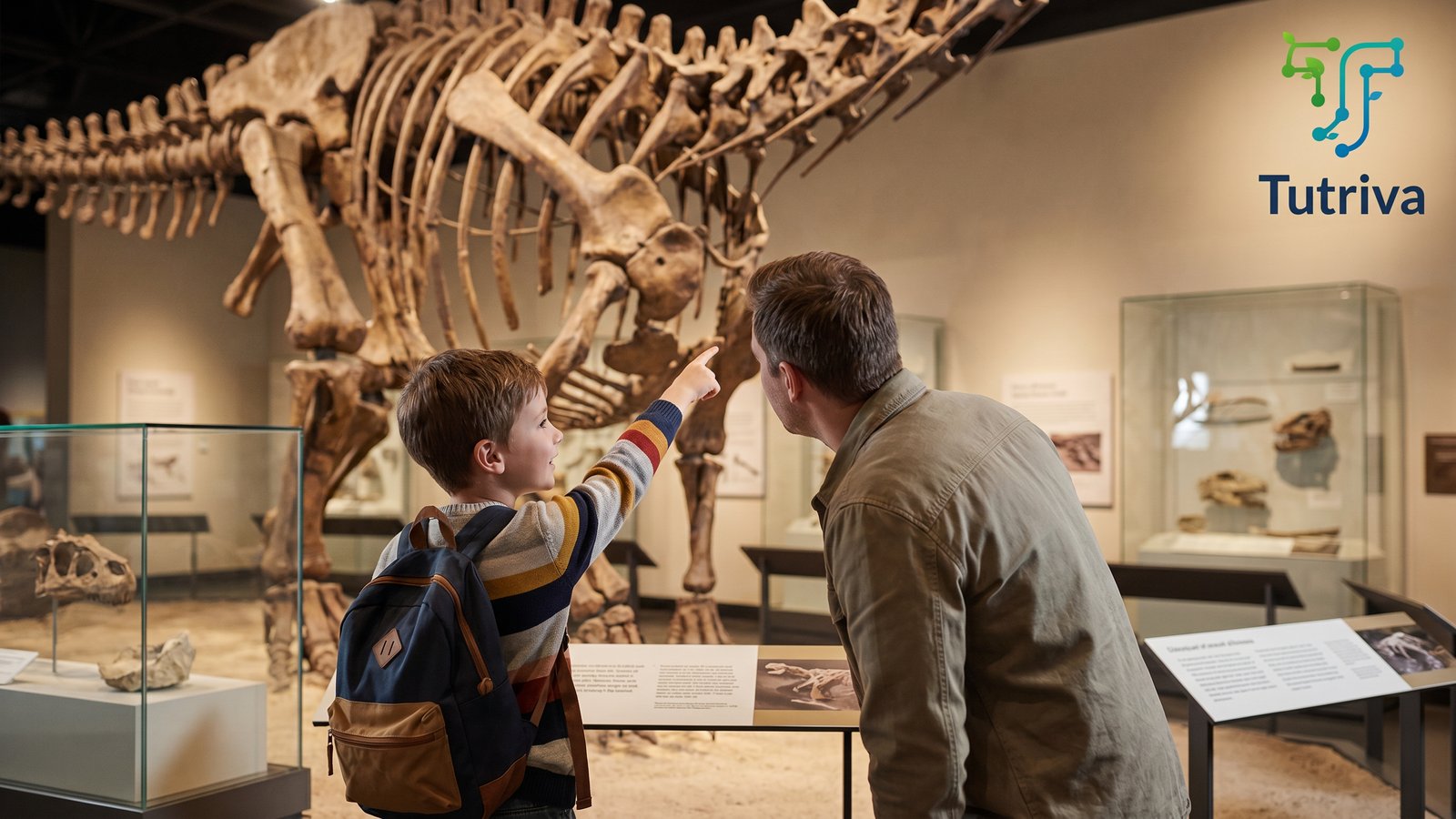
| Featured Image alt | A parent and child looking at a museum exhibit in Vancouver, child pointing and asking a question |
| Inline Image alt | A Vancouver Aquarium visitor sketching a fish in a notebook while observing the tank |
A Saturday at Science World, a Sunday at the Aquarium, a weekday afternoon at the Museum of Anthropology. Every Greater Vancouver family has done some version of this loop — and most have walked back to the car wondering whether anything actually stuck. This is exactly where venue learning comes in: a structured way to turn casual visits into real learning beats.
The honest answer about most family visits: not much sticks. Not because the venues are weak (they’re some of the best in Canada), but because most family visits are designed for experience, not for learning. A two-hour visit at Science World hands a 9-year-old a sensory blur — bubbles, mirrors, kinetic sculptures — and very little they could explain at dinner three days later.
This guide is for the parent who wants to convert those Vancouver, North Vancouver, and Richmond outings into something that actually builds on what kids learn at school. We’ll cover what venue learning is, the local venues that work best for it, and how a tutor can multiply the value of a single visit.
What “venue learning” actually means
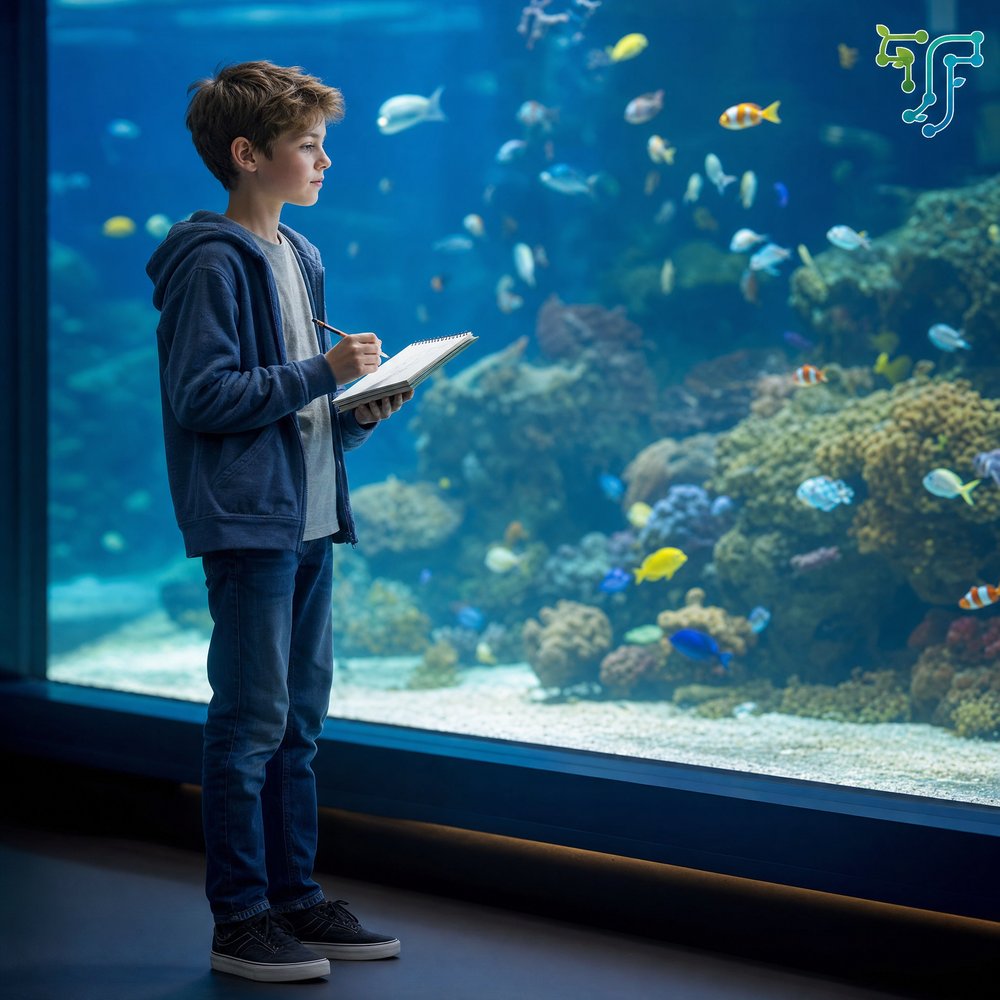
Venue learning is a teaching approach that uses a real place — a museum, an aquarium, a botanical garden, a working farm — as the classroom for a topic. Unlike a field trip, which is one-and-done, venue learning is structured as a three-part rhythm:
1. Pre-visit prep — a 20-to-40-minute session before the visit, to set up two or three questions the child will look for at the venue.
2. The visit itself — focused on those questions, not on covering everything.
3. Post-visit consolidation — a 30-to-60-minute session within a week of the visit, where the child writes, draws, codes, or builds something based on what they noticed.
A single venue + this rhythm typically beats five generic visits. Most parents notice the retention difference quickly, especially for ages 8–14.
Greater Vancouver venues that work especially well
Not every museum or attraction lends itself to venue learning. The strongest options are places where exhibits invite active observation — where a child can sketch, measure, count, or hypothesize, not just walk past.
Science World at 1455 Quebec Street, Vancouver. Best for: physics, life science, engineering thinking, and curiosity habits broadly. Younger kids (5–9) thrive in the hands-on galleries; older kids (10+) benefit from a pre-visit hypothesis to test against an exhibit they choose.
Vancouver Aquarium in Stanley Park. Best for: marine biology, ecology, conservation themes. Strong fit for ages 7–14. The behind-the-scenes feeding and care moments are gold for kids interested in animal sciences.
Museum of Anthropology (MOA) at UBC. Best for: history, Indigenous studies, art interpretation, anthropology. Excellent for upper-elementary through high school. (Check current gallery access before visiting — MOA has been completing phased reopenings following a major seismic upgrade.) Pair a visit here with a writing or research project for the highest payoff.
Beaty Biodiversity Museum at UBC. Best for: biology, biodiversity, evolution. Home to a 26-metre blue whale skeleton — a focal point that’s hard to forget. Compact, focused, and ideal for a single-topic visit.
HR MacMillan Space Centre in Kitsilano. Best for: astronomy, planetary science, scale-of-the-universe thinking. Best paired with a math or physics tutor who can extend the planetarium content.
Vancouver Maritime Museum in Vanier Park (Kitsilano). Best for: BC history, geography, navigation. Strong fit for a history unit, especially Grades 5–8.
VanDusen Botanical Garden and UBC Botanical Garden. Best for: ecology, plant biology, environmental thinking. Often overlooked, especially for kids drawn to nature over machines.
Britannia Mine Museum in Britannia Beach (about 45–60 minutes north of Vancouver on the Sea-to-Sky highway). Best for: BC industry, geology, mining history. Worth a day trip if your child is curious about how things are made and extracted.
How a venue learning tutor changes the experience
A tutor doesn’t need to attend the visit (though some will, for an extra fee or by arrangement). What a venue learning tutor actually does is structure the before and after, which is where most family visits leak value.
Before the visit: The tutor and child pick a question. Not “what’s at Science World” (too broad), but something concrete: “how does the air-puck friction table show momentum?” or “what’s the smallest creature on display at the Aquarium, and how does it survive?” The child arrives at the venue with a hunting eye instead of a wandering one.
During the visit: Parents handle this part. The only ask is to give the child fifteen minutes near the relevant exhibit to actually look — and to take a few photos or notes the tutor can review later. Kids often surprise themselves by what they notice when they have permission to slow down.
After the visit: Back in the tutor session, the child consolidates. A Grade 5 student might write a paragraph and draw a diagram. A Grade 8 student might build a short slideshow or write a one-page reflection. A Grade 11 student might write a more formal analysis suitable for portfolio work. The output is small — that’s the point. A short, finished piece beats a long, half-built one every time.
This rhythm — pre, visit, post — is the difference between “we went to Science World last weekend” and “I’m now interested in fluid dynamics because of that exhibit.”
How to find a venue learning tutor in Greater Vancouver
A “venue learning tutor” isn’t a specific job title most tutors will use to describe themselves. What you’re looking for is a tutor — usually with a science, history, or arts background — who is comfortable with project-based work and can structure a visit around a focused question.
Ask the tutor directly. “Have you ever built a learning project around a museum visit or a Science World trip?” A tutor who has will say yes immediately and describe one. A tutor who hasn’t will hesitate or generalize.
Match the subject to the venue. A history tutor pairs with MOA or the Maritime Museum. A biology tutor pairs with the Aquarium or Beaty Biodiversity. A physics tutor pairs with Science World or the Space Centre. Don’t ask a math tutor to handle the Aquarium — it’s a stretch.
Be honest about cadence. Venue learning doesn’t need to be weekly. A monthly rhythm — one venue, one tutor session before, one tutor session after — works well for many families and stays affordable.
Tutriva and venue learning support
Tutriva is a tutor-student platform serving Greater Vancouver — Vancouver, Burnaby, Richmond, Surrey, Coquitlam, North Vancouver, West Vancouver, and White Rock. Tutors set their own rates and keep what they earn. Parents browse tutors by subject and location, message directly, and book a free intro session before committing.
Parents looking for venue learning support can post a specific request — for example, “Grade 6 student in North Vancouver, interested in marine biology and planning a visit to the Aquarium, looking for a tutor to do one pre-visit and one post-visit session” — and get matched with tutors who fit. (For families also exploring STEM tutoring more broadly, see our STEM tutor parent guide.)
Frequently asked questions
Does the tutor need to come along to the venue?
Usually no. Most venue learning happens in the pre-visit and post-visit tutor sessions. Some tutors will arrange to attend a visit by request, but it’s not the default.
Are admission costs covered?
No — admission is a family expense. Many Greater Vancouver families take advantage of a Science World annual membership, or library museum-pass programs offered through several BC public libraries, to keep costs down.
At what age does venue learning start working?
Pre-visit/post-visit rhythm works well from about Grade 3 onward. For younger kids (under 8), a simpler one-page “what did you see” sheet from a parent is often enough.
How often should we do this?
Once a month is a strong cadence. Once a quarter is still meaningful. Weekly is usually too much for a family schedule and turns the visit into a chore.
The honest takeaway
Vancouver’s museums, aquariums, and gardens are remarkable spaces for learning, but a family visit alone leaves most of that potential on the table. A modest tutor commitment — one pre-session, one post-session per venue — converts a Saturday outing into a genuine learning beat. The kids who get this on a regular schedule develop a habit that pays off for years: they walk into any new place with questions, not just a phone camera.
Looking for a tutor to help structure venue learning in Greater Vancouver? Browse tutors by subject on Tutriva, or post a one-minute request describing the venue and your child’s interests.