How Parental Anxiety Quietly Passes to Children
Tutriva connects families with tutors who provide consistent, low-pressure learning support. Browse tutor profiles →
Parents who care deeply about their children’s education carry a particular kind of worry. Will they keep up? Will they find their footing? Will they get into a good program? That worry is natural and in many ways appropriate. But research over the past two decades has increasingly shown that parental anxiety around academic performance does not stay with the parent. It travels.
What the research shows
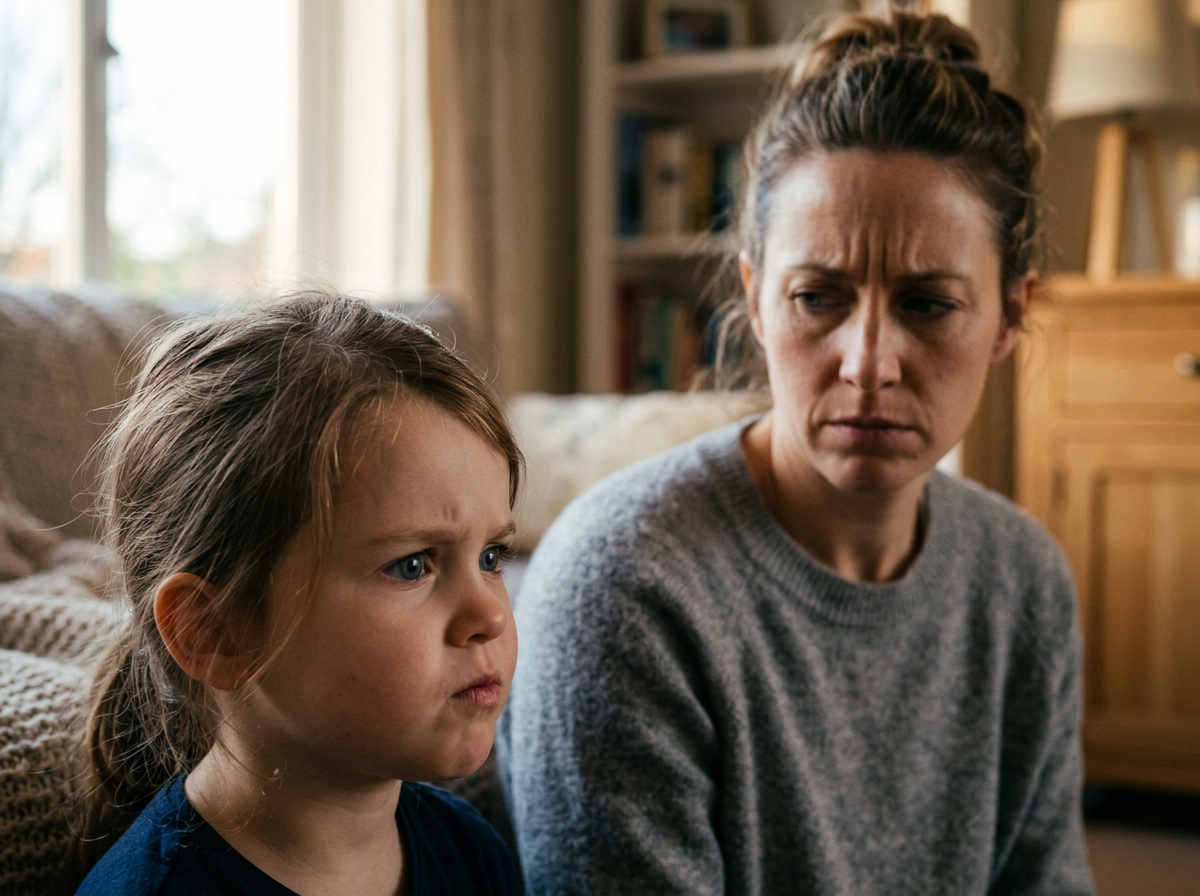
Studies in developmental psychology have found that children are highly attuned to their parents’ emotional states, especially around topics involving evaluation and performance. Parental test anxiety has been linked to lower math performance in children, independent of the child’s actual ability or the parent’s direct involvement in homework. The mechanism is not instruction. It is emotional transmission.
Children absorb not just what parents say but how they say it, what they avoid saying, and what their body language communicates when school becomes a topic. A parent who tenses visibly before a report card, who sighs when a child makes errors, or who expresses doubt about a child’s readiness for the next grade is sending a message below the level of words. The child receives it and adjusts accordingly.
Recognising the signs

A child who has absorbed parental anxiety around school may mirror the parent’s language almost exactly. “I am not good at math” often sounds like something the parent has said, thought, or felt for years. A child who develops stomach aches before tests, who needs unusual amounts of reassurance before assessments, or who watches the parent’s face carefully before sharing a grade, may be managing their own worry and the parent’s at the same time.
This is not a sign of failure on either side. Children are wired to use parents as emotional reference points. The problem is not that children notice. The problem is when what they notice consistently tells them that learning is something to be afraid of.
What breaks the cycle
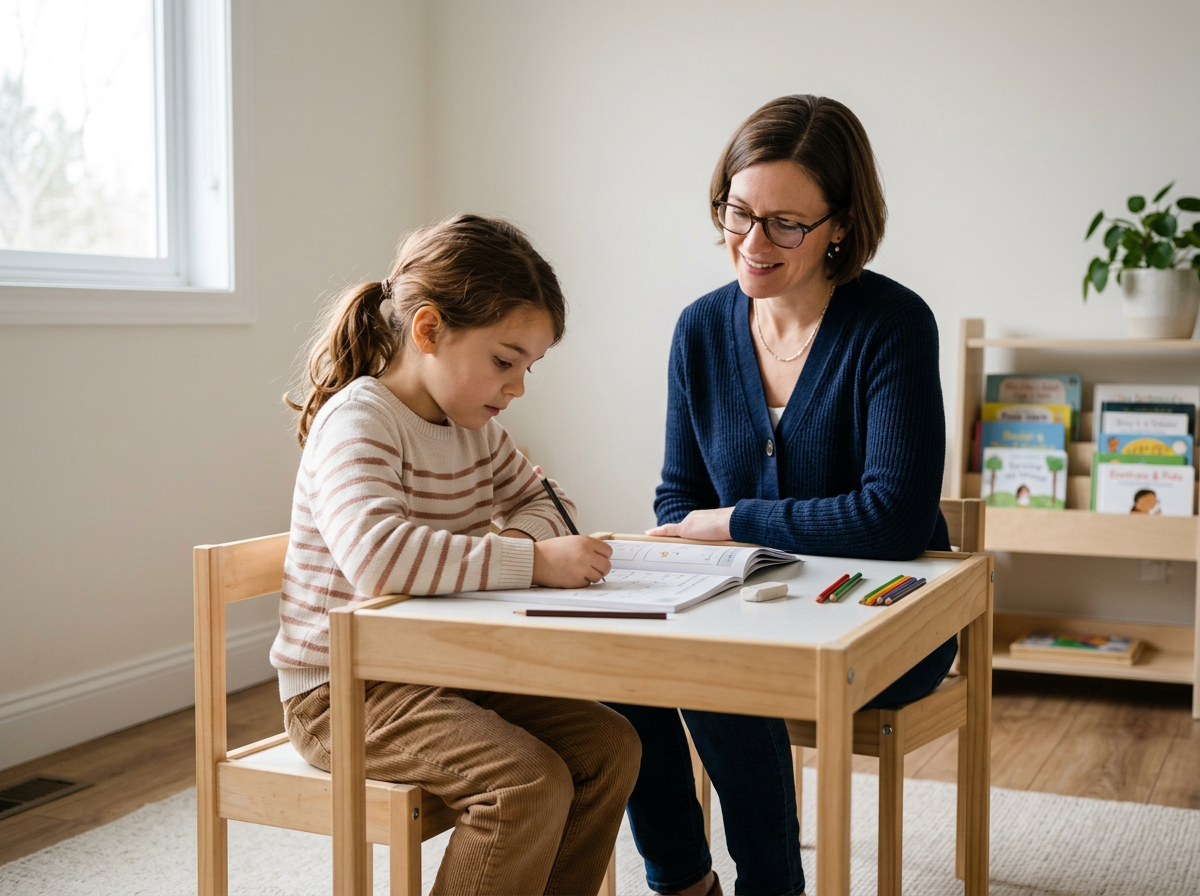
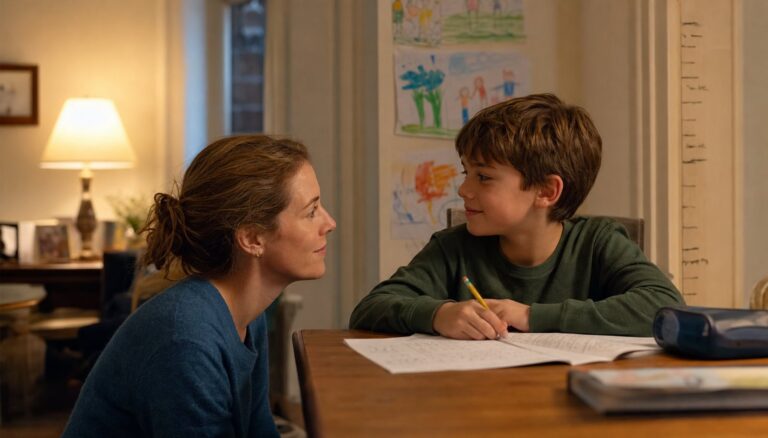
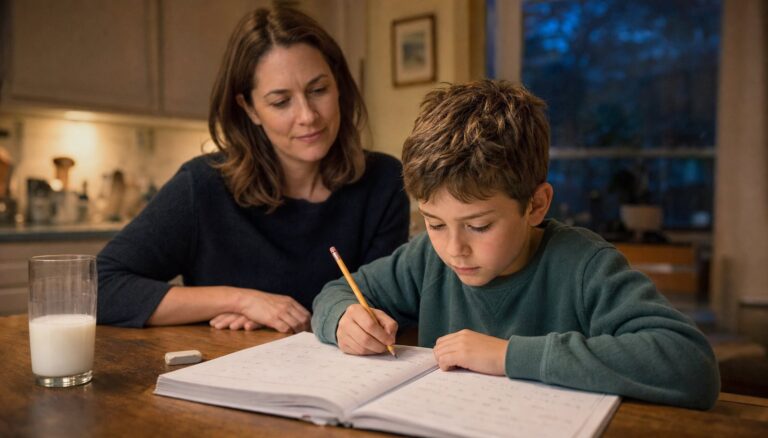
The most effective lever is usually not what the parent says to the child but how the parent visibly relates to the topic of school and difficulty when the child is present. A parent who discusses a disappointing grade with curiosity rather than alarm, who treats errors as information rather than evidence of a problem, and who models their own relationship with difficulty as something manageable, changes the signal the child is receiving.
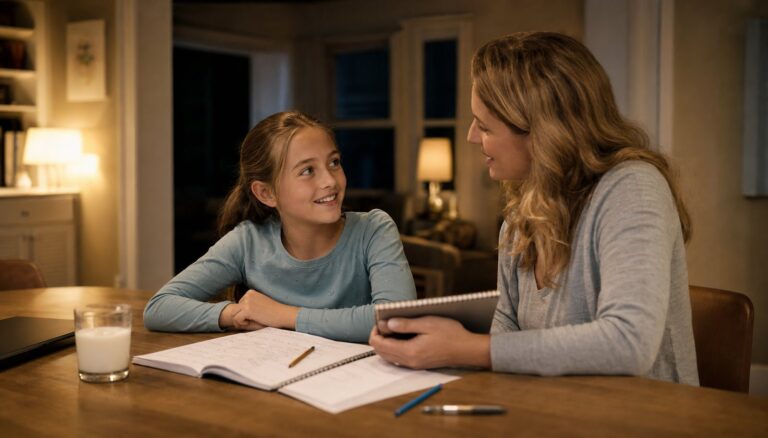
External support can also help. A tutor who works with a child in a calm, consistent, low-stakes environment creates a different relationship with learning than what may exist at home. For some children, the tutoring session becomes the part of their week where effort and struggle are simply part of the work, not indicators of anything larger.
Tutriva tutors work one-on-one with students across a range of subjects and stages. You can browse profiles, read reviews, and message tutors directly. Get started →