Why Strong Educators Make Time to Give Back
How public contribution, professional trust, and community service shape long-term influence in education.
A small act of guidance before any contract exists
On a Tuesday night, a high school math teacher stays online for 30 extra minutes after a public webinar. A parent asks whether her daughter’s sudden drop in grades means the child is losing ability. The teacher does not sell a course. She explains that grades often fall when foundations, confidence, and study habits weaken at the same time. She suggests two practical steps and asks the family to look at error patterns before making a decision.
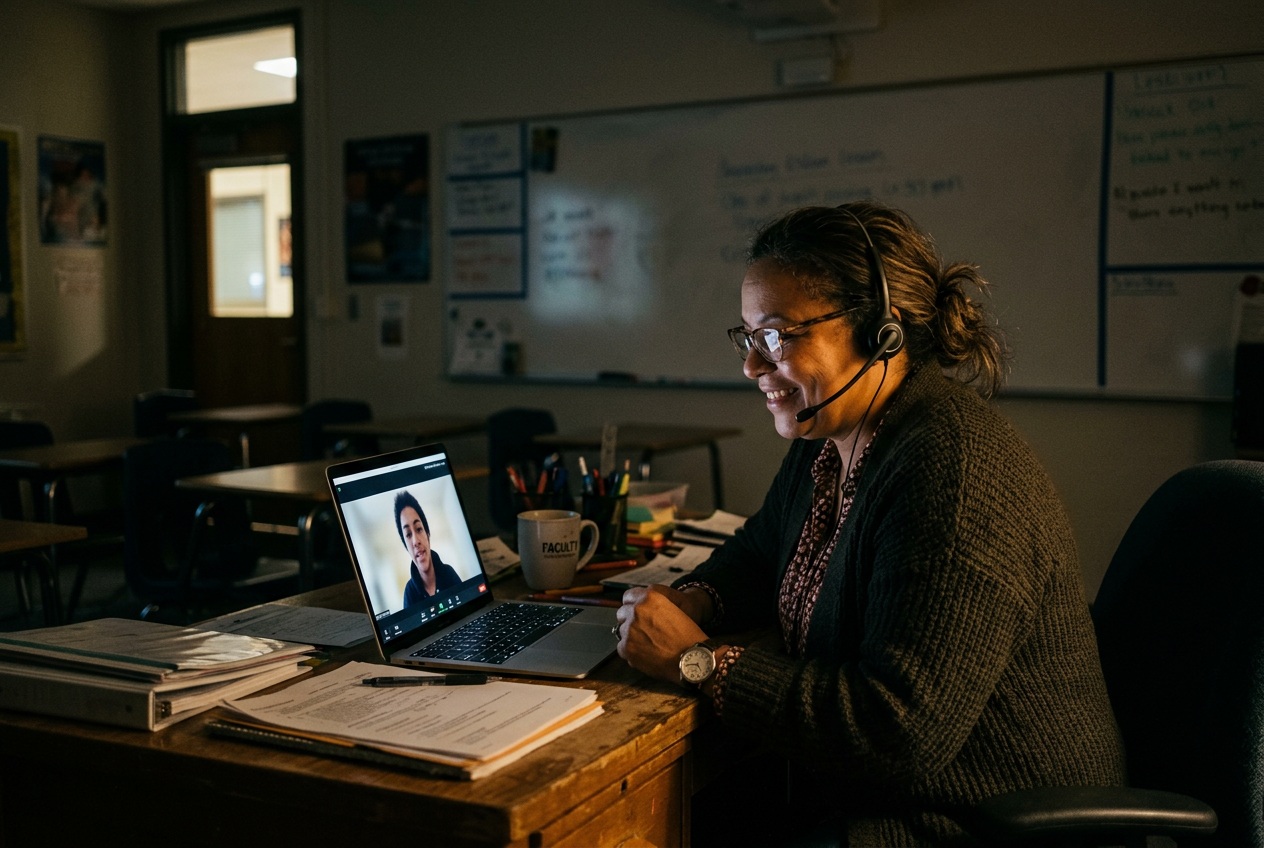
The parent does not book a lesson that night. Three months later, she comes back. Later, she refers another family.
This is how professional trust often works in education. It rarely begins with a sales pitch. It begins when a family receives useful help before any contract exists.
Giving back is part of professional culture
Across North America, respected professionals often set aside time for work that is not immediately paid. Lawyers do pro bono work. Physicians give community health talks. University professors hold public lectures and office hours. Entrepreneurs mentor younger founders. Alumni return to campuses to speak with students. Therapists, coaches, and educators publish practical guidance that helps people understand problems before they become clients.
These professionals are not doing this because they have unlimited time. They do it because long-term reputation is built differently from short-term sales. Professional ability determines how well a person can serve current clients. Professional contribution determines how widely that person’s expertise can be trusted.
The language of “giving back” is familiar across schools, universities, professional associations, and community organizations. The phrase “pay it forward” carries a related idea: many successful adults can name someone who helped them before they had confidence, status, or access. Later, they try to become that person for someone else.
Education depends on delayed impact
Education is different from many service industries because its most important effects are often delayed. A student may forget the exact worksheet but remember the adult who helped him believe he could recover. A parent may not remember the title of a webinar but remember the educator who explained a child’s struggle without judgment. A young person may not follow every piece of advice, but may remember the mentor who took the question seriously.
This is why educators build influence differently from ordinary advertisers. In education, trust grows through repeated evidence of care, clarity, and competence. A free resource, a thoughtful answer, or a one-hour community session may not produce immediate revenue. It can still shape how families understand the educator’s values.
Public contribution is not the opposite of professional branding
Many tutors hear the term “personal brand” and think of self-promotion. A better North American professional definition is simpler: when people think of a problem, do they think of you as someone who can help?
When families think about SAT math, do they remember the educator who explained timing strategy clearly? When students think about AMC preparation, do they remember the coach who shared a thoughtful problem breakdown? When parents think about IB Mathematics, do they remember the teacher who explained why concept gaps matter more than panic? When a student thinks about research, does she remember the mentor who showed what a real research question looks like?
That memory is not created by one advertisement. It is built through useful contribution over time. Professional reputation grows when people repeatedly see the same pattern: this educator understands the problem, explains it clearly, respects families, and offers practical next steps.
One hour can create access for families outside private networks
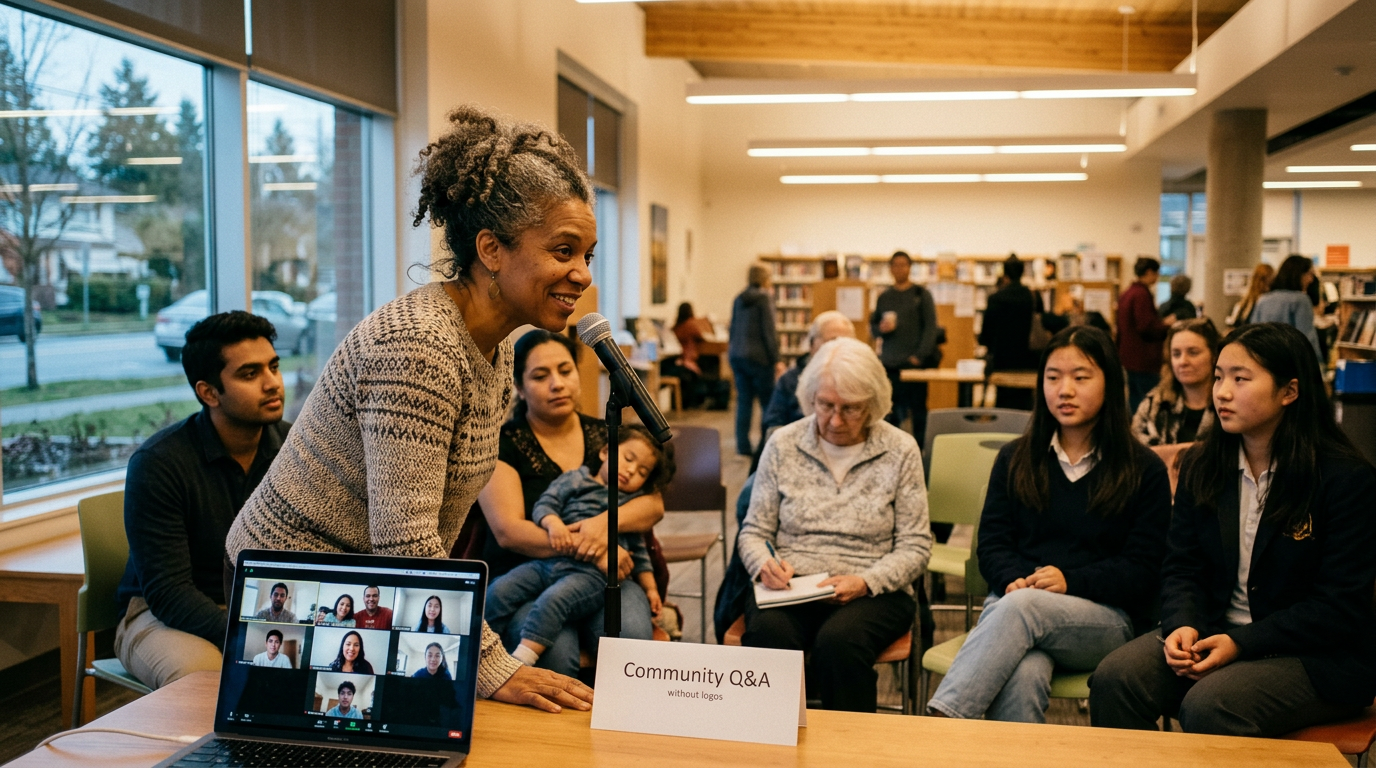
A monthly hour of public service can take many forms. An educator might host an academic office hour for common math questions. A college admissions mentor might offer a parent Q&A about course selection. A scientist might give a short research talk for students. A retired engineer might explain how high school math appears in aircraft, bridges, energy systems, or software. A reading teacher might share a book list for reluctant readers.
The point is not to give away all professional labor for free. The point is to create a visible, responsible entry point for families and students who may not know where to begin.
This matters for education equity. Well-connected families often have informal access to guidance. They can ask a neighbor who is a professor, a cousin in medicine, or a family friend in technology. Other families may care just as deeply but lack those networks. A public office hour, resource session, or community talk can help reduce that gap.

Older professionals and second-career educators have a special role
This model also connects to a larger North American conversation about aging, reemployment, and the silver economy. Canada’s age-friendly workplace guidance emphasizes that older workers bring experience, institutional knowledge, productivity, and diversity. In the United States, the Age Discrimination in Employment Act protects workers 40 and older from age-based discrimination, and the Senior Community Service Employment Program provides training and employment support for low-income older adults.
For retired teachers, engineers, doctors, researchers, managers, and other experienced adults, one hour of mentoring can become a bridge back into public contribution. Some may not want full-time work. Many may still want purpose, connection, and a way to help the next generation. A structured talk, mentoring session, or learning resource allows experience to keep moving without forcing older adults back into rigid employment.
This is a healthier way to understand the silver economy. It should not be limited to products and services sold to older adults. It should also include older adults as mentors, teachers, advisors, volunteers, and flexible workers whose knowledge strengthens communities.
Generosity needs standards
A culture of giving back should not mean informal or careless programs. Education involves minors, families, trust, and safety. Community sessions and mentorship should have clear boundaries, appropriate screening, transparent expectations, and quality standards. A useful public session should not become hidden sales pressure. A mentoring relationship should not depend only on good intentions.
Professional generosity works best when it is structured. The educator should define the purpose of the session, the audience, the time limit, and the type of advice offered. Families should know what is free, what is general guidance, and what requires a paid professional relationship. Clear boundaries protect everyone and make trust stronger.
What Tutriva can build
Tutriva can become more than a place where students find lessons. It can become a network where knowledge, experience, and guidance move more easily across families, educators, professionals, and generations.
A teacher can share a study-planning session. An engineer can offer a career talk. A physician can explain healthcare careers. A researcher can introduce students to how questions become projects. A retired professional can mentor without returning to a full-time role. A tutor can help families understand not only what to study, but why it matters.
This kind of contribution helps learners. It also helps educators. It builds professional trust, professional reputation, and professional influence. It helps the right families understand who an educator is before the first paid lesson begins.
Start with one hour
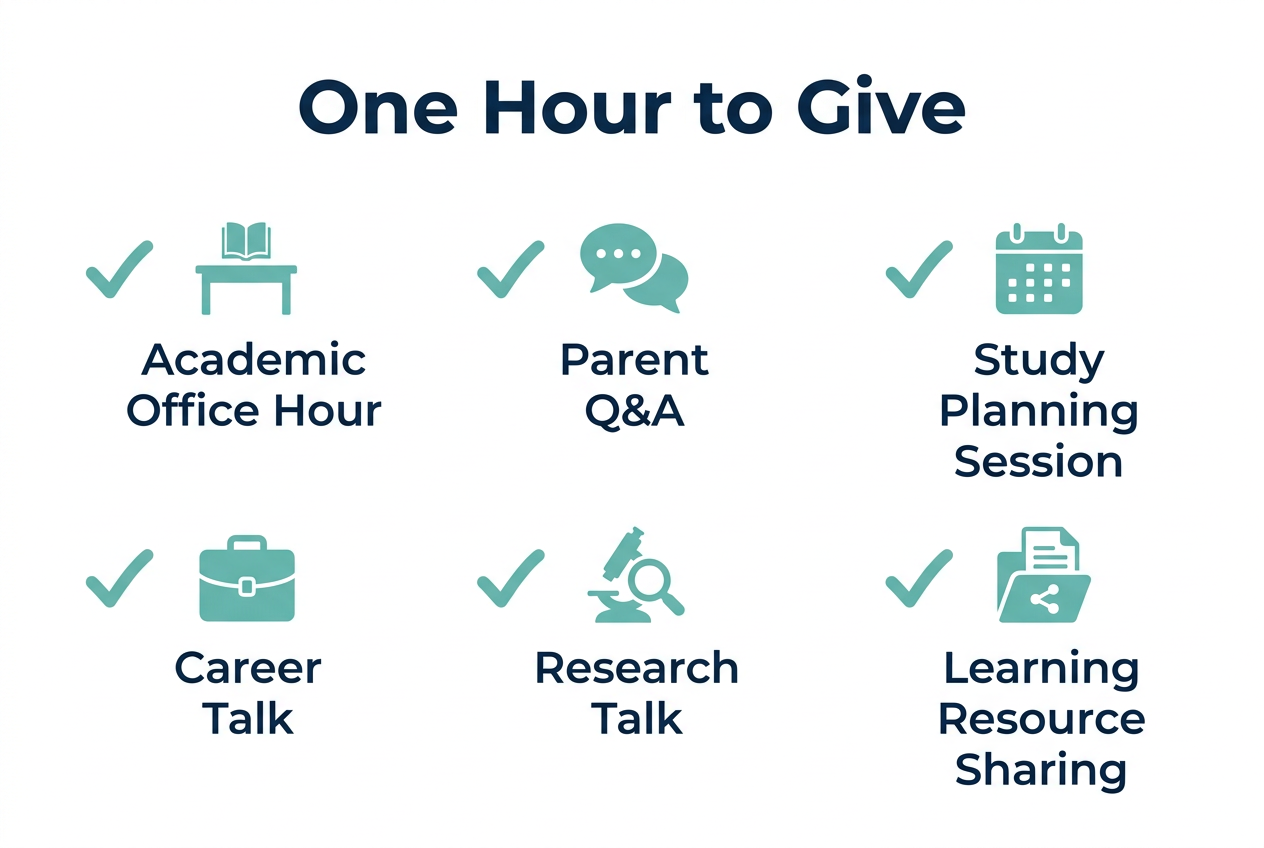
An educator who wants to begin does not need a large campaign. One hour a month is enough. The hour could be an academic office hour, a parent Q&A, a study-planning session, a career talk, a research introduction, or a learning-resource share.
Consistency matters more than size. Influence rarely comes from one dramatic event. It usually comes from useful, repeated contribution.
The best educators understand that knowledge has a public life. Their expertise can help paying students, but it can also help a wider community make better decisions. Professional ability allows an educator to serve students well. Professional influence allows an educator’s experience to reach people who may not yet know where to look for help.
For many families, a single hour of honest guidance can make the education system feel less confusing. For many students, one conversation can make a future feel more possible. For many educators, giving back is not separate from growth. It is how long-term trust begins.
Helping Educators Build Trust, Visibility, and Impact.Learn · Grow · Connect · Explore · Impact
Tutriva Educator Growth
Helping Educators Build Trust, Visibility, and Impact.
Learn · Grow · Connect · Explore · Impact