Outdoor Learning in BC: Nature-Based Tutors and Mentors (2026 Guide)
Tutoring doesn’t have to mean a kitchen table, a textbook, and a worksheet. For some kids — especially elementary ages, outdoor-leaning families, or kids who genuinely need movement to think — a nature-based tutor or outdoor mentor can do more for both learning and wellbeing than a traditional academic session.
This is a different category, and BC is unusually well set up for it.
Where outdoor learning happens in Greater Vancouver
| Setting | What kids learn there |
|---|---|
| **UBC Farm (Vancouver)** | Plant biology, food systems, observation skills, applied science |
| **Stanley Park / Pacific Spirit Park** | Forest ecology, animal behavior, mapping skills, field journaling |
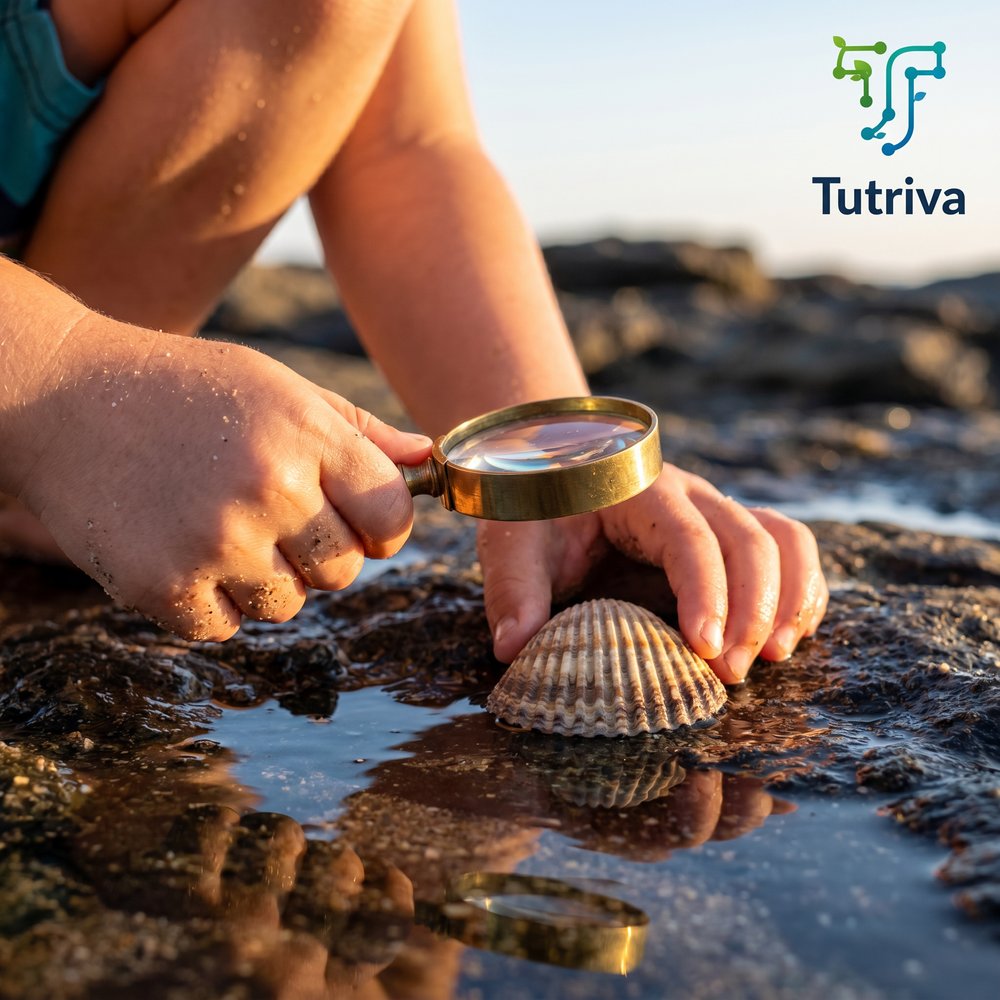
| **Crescent Beach / Kits Beach** | Marine biology, tide pool ecosystems, weather observation |
| **Lynn Canyon / Capilano (North Van)** | Geology, river systems, physical literacy in trail navigation |
| **Whistler / Squamish (further north)** | Mountain ecology, alpine biology, weekend programs |
| **Local community gardens** | Sustainability concepts, applied math (planting layouts), food literacy |
Types of outdoor mentors on Tutriva
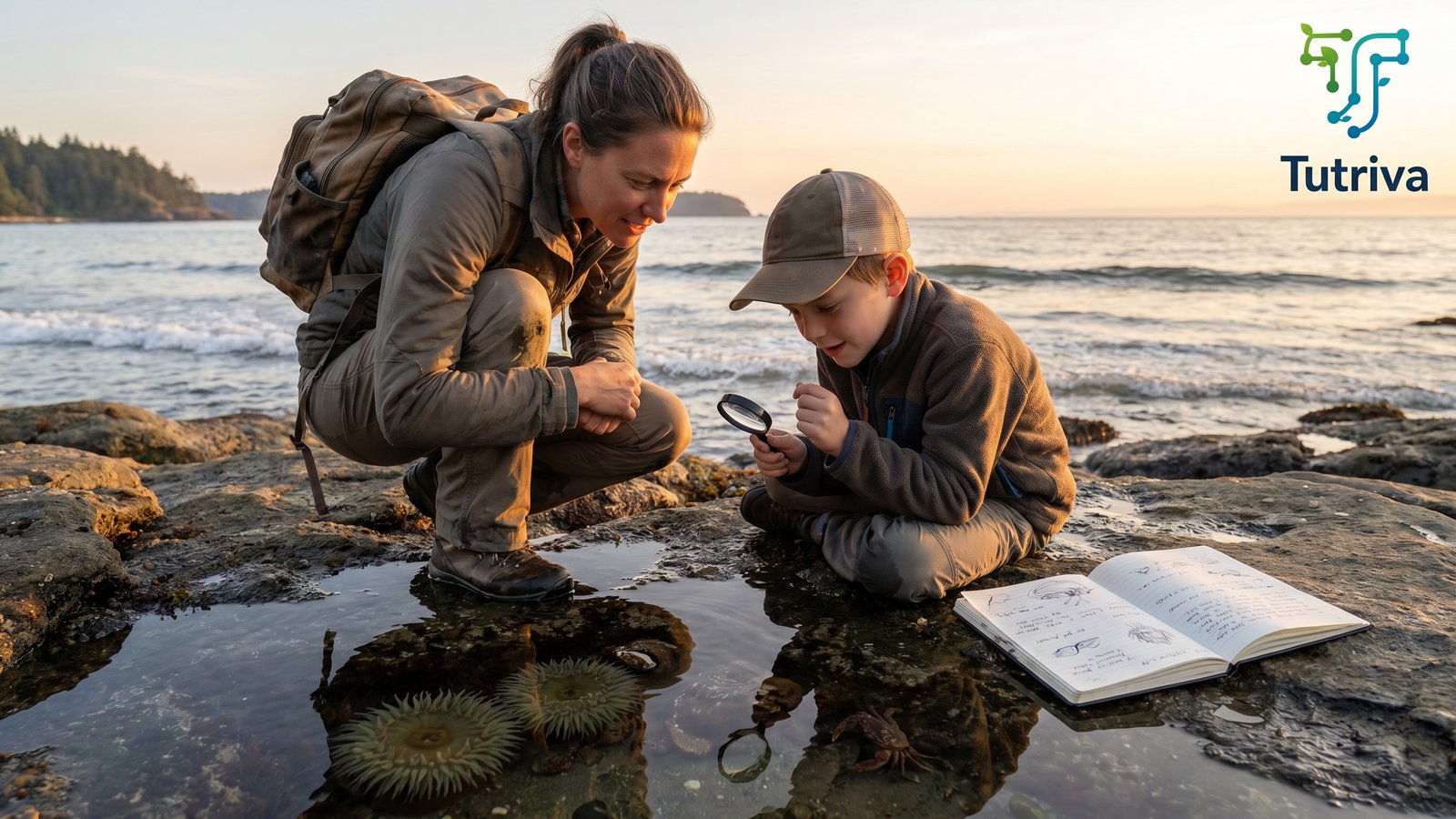
Nature-based tutors integrate academic content with outdoor activity — a grade-school science unit on ecosystems taught via tide-pool walks at Crescent Beach, with worksheets done outdoor.
Forest mentors focus on developmental and emotional skills — risk assessment, regulation, observation, patience — through structured outdoor time. Particularly useful for kids who struggle with classroom-based attention.
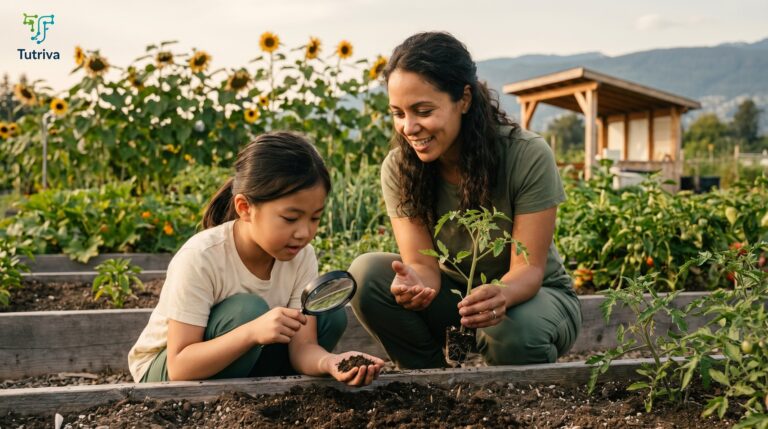
Farm-based educators use farms (UBC Farm and others) for applied science, agriculture, and food literacy. Often runs as half-day or weekly programs.
Wildlife and field-science companions bring natural-history backgrounds (often biology or environmental studies graduates) to take kids on observation walks with structured curriculum.
Trail-running and outdoor-fitness coaches for older kids — physical literacy combined with goal-setting and route planning.
Why 1:1 outdoor learning is rare (and what that means)
Most outdoor education in BC happens at the program level — Cheakamus, Wildsight, school field trips, summer camps. The 1:1 version of this — a single nature mentor for a single child — is hard to find through traditional channels because it’s nobody’s main business.
That’s exactly the gap Tutriva fills. The reverse search lets parents specify “outdoor learning, ages 7–10, weekly, North Vancouver, science focus” and receive proposals from mentors who describe themselves in their profile as having backgrounds in environmental education, biology, or outdoor instruction. Each tutor’s stated qualifications appear on their profile for you to review.
What to look for
1. First aid certification. For any outdoor session beyond a public park.
2. Specific area knowledge. A mentor who’s only led trips in Whistler may not be the right fit for a Stanley Park session.
3. Curriculum integration. Ask: “How would you tie a forest walk to a Grade 4 social studies unit?” The answer tells you whether they’re an educator or a guide.
4. Weather and contingency plan. A real outdoor educator has rainy-day plans that aren’t “we cancel.”
Bottom line
Outdoor learning is one of the most under-served categories in private education. The kids who benefit most from it — bright, restless, sensory-driven — often struggle most in classroom-based tutoring. A nature-based tutor isn’t a replacement for academic support. It’s a complement that can shift the entire learning posture.
Find a nature-based tutor or outdoor mentor:
- Browse: tutriva.com/find-tutors/
- Post a specific request: tutriva.com/signup/
- Become an outdoor mentor: tutriva.com/signup/?userType=tutor